
In today’s fast-paced world, finding balance and sustainability in our daily lives has become more crucial than ever. As climate concerns and mental health awareness rise, many are seeking practical ways to align their wellbeing with eco-friendly living.

Unlocking the secrets of a Wellbeing Coordinator offers fresh insights into mastering a lifestyle that nurtures both mind and planet. Drawing from real-life experiences and proven strategies, this approach goes beyond trends, guiding you toward lasting change.
If you’ve ever wondered how to create habits that truly stick while supporting a sustainable future, stay tuned—this journey might just transform your perspective.
Creating Daily Rituals That Nourish Both You and the Environment
Embracing Mindful Mornings
Waking up with intention can set the tone for a day that benefits both your mental clarity and the planet. Instead of reaching for your phone immediately, try a few minutes of deep breathing or gentle stretching.
These small acts not only calm your mind but also reduce your reliance on electronic devices early on, cutting down energy use. I’ve found that starting my mornings with a simple gratitude practice, focusing on what I appreciate about nature, helps me feel more connected and motivated to make eco-conscious choices throughout the day.
It’s surprising how a calm, focused start can ripple into more sustainable habits, like choosing reusable coffee cups or planning plant-based meals.
Switching to Sustainable Self-Care Products
Self-care doesn’t have to come at the cost of the environment. Transitioning to products with natural ingredients, minimal packaging, and cruelty-free certifications can make a significant difference.
From homemade scrubs to refillable shampoo bottles, these choices reduce waste and chemical exposure. Personally, I swapped conventional skincare for brands that prioritize biodegradable formulas and plastic-free containers, and I noticed my skin responded positively while my environmental footprint shrank.
It’s empowering to know that pampering yourself can be aligned with values that protect our planet.
Incorporating Movement with Purpose
Physical activity is a cornerstone of wellbeing, but it can also be a sustainable practice. Opting for outdoor walks, cycling, or yoga in the park instead of gym visits not only boosts your health but reduces energy consumption associated with indoor facilities.
I’ve discovered that combining exercise with environmental appreciation, like noticing local wildlife or picking up litter during a jog, makes workouts feel more meaningful and connected to a larger cause.
This approach turns a simple habit into an act of stewardship.
Smart Nutrition Choices for a Healthier You and Earth
Adopting Plant-Forward Eating Patterns
Shifting your diet towards more plant-based meals doesn’t require drastic changes to be effective. Even dedicating a few days a week to vegetarian or vegan meals can reduce carbon footprints and improve personal health.
I experimented with “Meatless Mondays” and quickly found that flavorful, satisfying dishes made from seasonal vegetables and legumes kept me energized without feeling deprived.
The variety of recipes available online and in cookbooks makes this transition exciting rather than restrictive.
Supporting Local and Seasonal Produce
Eating locally grown foods supports farmers in your community and cuts down on emissions from long-distance transportation. Seasonal produce is often fresher, tastier, and more nutrient-dense.
I love visiting farmers’ markets and chatting with growers about how their crops are cultivated; this connection makes me appreciate my food more and waste less.
Plus, the colors and textures of seasonal fruits and vegetables inspire creativity in cooking, making meals both nourishing and enjoyable.
Reducing Food Waste Through Mindful Planning
One of the simplest yet most impactful ways to align wellbeing with sustainability is minimizing food waste. Planning meals, storing leftovers properly, and getting creative with scraps can save money and reduce landfill contributions.
I keep a list on my fridge of what needs to be eaten soon and often turn wilting vegetables into soups or smoothies. This habit not only stretches my grocery budget but also reinforces a mindset of respect for resources.
Designing Spaces That Foster Calm and Conservation
Incorporating Natural Elements Indoors
Bringing nature inside through plants, natural light, and organic materials creates a calming environment that supports mental wellbeing. I’ve noticed that having greenery around helps me feel less stressed and more focused.
Plants also improve air quality and reduce noise pollution, making your home a sanctuary. Choosing furniture made from sustainable wood or recycled materials complements this vibe and reduces environmental impact.
Minimizing Clutter to Enhance Mental Clarity
Decluttering isn’t just about aesthetics; it’s about creating space for mental ease. When your environment feels chaotic, it’s easy to become overwhelmed.
By regularly assessing what you truly need and donating or recycling items, you free up physical and emotional space. I’ve found that a minimalist approach helps me concentrate better and appreciate what I own more deeply, which discourages unnecessary consumption.
Adopting Energy-Efficient Habits at Home
Simple changes like switching to LED bulbs, unplugging devices when not in use, and using programmable thermostats can significantly reduce energy consumption.
I installed smart plugs that automatically turn off electronics overnight, which lowered my electricity bill noticeably. These small efforts contribute to a more sustainable household and demonstrate how everyday choices add up.
Building Community Connections That Inspire Growth
Engaging in Local Sustainability Groups
Joining neighborhood or city-based groups focused on environmental or wellness initiatives opens doors to shared learning and collective action. I attended a community garden project where I learned about composting and native plants, which not only deepened my knowledge but created friendships with like-minded people.
Being part of a group makes individual efforts feel more impactful and enjoyable.
Hosting Wellness and Eco-Friendly Workshops
Sharing your journey and skills with others can amplify positive change. I once organized a workshop on zero-waste cooking that brought together people eager to learn and exchange ideas.
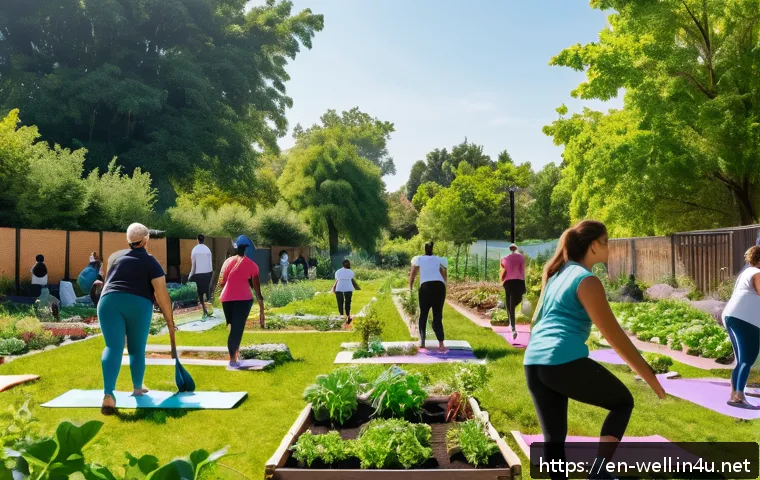
Facilitating such events reinforces your own habits and spreads inspiration, creating a ripple effect in your community.
Volunteering for Nature Conservation
Hands-on involvement in local cleanups, tree planting, or habitat restoration offers a tangible way to contribute. These activities boost mood and physical health, and connecting with nature firsthand increases commitment to sustainable living.
From my experience, even a few hours a month spent outdoors with others can recharge your spirit and deepen your environmental awareness.
Harnessing Technology to Support Sustainable Wellbeing
Using Apps for Mindfulness and Habit Tracking
Technology can be a powerful ally when used thoughtfully. Apps that guide meditation or monitor daily habits provide structure and motivation. I rely on a habit tracker that reminds me to drink water, practice gratitude, and reduce screen time, which helps me stay balanced.
Choosing apps from developers committed to sustainability aligns your digital footprint with your values.
Exploring Smart Home Innovations
Smart thermostats, energy monitors, and water-saving devices optimize resource use effortlessly. I installed a smart irrigation system in my garden that adjusts watering based on weather forecasts, conserving water while keeping plants healthy.
These innovations make sustainable practices accessible without requiring constant attention.
Connecting Virtually for Support and Education
Online communities and webinars offer platforms to learn from experts and peers worldwide. I joined a virtual book club focused on environmental literature, which broadened my perspective and introduced me to new ideas.
This connectivity makes the journey less isolating and provides ongoing encouragement.
Tracking Progress for Lasting Impact
Setting Realistic and Personal Goals
Sustainable wellbeing thrives on achievable milestones that resonate with your lifestyle. I set monthly goals like reducing plastic use or increasing meditation time, which keep me motivated without feeling overwhelmed.
Breaking down big changes into smaller steps makes habits stick.
Reflecting on Wins and Challenges
Regular self-reflection helps identify what’s working and where adjustments are needed. I keep a journal where I note successes and setbacks, which fosters self-compassion and continuous improvement.
This practice turns challenges into learning opportunities rather than sources of frustration.
Celebrating Small Victories
Acknowledging progress, no matter how minor, reinforces positive behavior. Whether it’s completing a week of sustainable commuting or mastering a new recipe, celebrating achievements fuels momentum.
I reward myself with experiences like nature hikes or mindful rest days, linking enjoyment with healthy habits.
| Aspect | Wellbeing Benefit | Environmental Impact | Practical Tip |
|---|---|---|---|
| Mindful Mornings | Reduces stress, improves focus | Less energy use, electronic device avoidance | Start day with breathing exercises instead of phone |
| Plant-Based Eating | Better digestion, increased energy | Lower greenhouse gas emissions | Try Meatless Mondays or plant-forward meals |
| Natural Home Design | Improves mood, reduces anxiety | Uses sustainable materials, improves air quality | Add indoor plants and use eco-friendly furniture |
| Community Involvement | Enhances social support, reduces loneliness | Promotes collective environmental action | Join local sustainability groups or volunteer |
| Smart Technology | Supports habit formation, reduces mental load | Optimizes energy and water consumption | Use habit trackers and smart home devices |
Closing Thoughts
Creating daily rituals that nourish both your wellbeing and the environment is a fulfilling journey that benefits you and the planet alike. Small, intentional changes in your habits can lead to meaningful impacts over time. By embracing mindful practices, sustainable choices, and community connections, you can cultivate a lifestyle that feels balanced, purposeful, and rewarding. Remember, every step toward sustainability is a step toward a healthier future for yourself and the world.
Helpful Tips to Keep in Mind
1. Start your day with mindful breathing or stretching to reduce stress and limit early screen time, saving energy and enhancing focus.
2. Choose self-care products made from natural, eco-friendly ingredients to reduce waste and support healthier skin.
3. Incorporate outdoor physical activities like walking or cycling to boost health while minimizing energy consumption.
4. Opt for plant-forward meals and support local, seasonal produce to improve nutrition and lower your carbon footprint.
5. Use technology wisely by adopting habit-tracking apps and smart home devices that encourage sustainable living.
Key Takeaways
Building sustainable wellbeing starts with intentional, manageable habits that benefit both you and the environment. Prioritize mindful routines, eco-conscious product choices, and meaningful community involvement to create lasting positive change. Embrace technology as a tool for support, but keep your goals realistic and celebrate progress regularly. This balanced approach not only nurtures your health but also strengthens your connection to the planet.
Frequently Asked Questions (FAQ) 📖
Q: uestionsQ1: What exactly does a Wellbeing Coordinator do to help balance personal health and environmental sustainability?
A: A Wellbeing Coordinator focuses on integrating practices that support both mental and physical health while promoting eco-friendly habits. From my experience, they create personalized plans that encourage mindful eating, stress reduction techniques, and sustainable lifestyle changes like reducing waste and conserving energy.
This holistic approach helps individuals make lasting improvements that benefit their wellbeing and the planet simultaneously.
Q: How can I develop habits that support both my mental health and environmental goals without feeling overwhelmed?
A: The key is to start small and build consistency over time. Personally, I found that setting achievable goals—like replacing single-use plastics with reusable items or dedicating five minutes a day to mindfulness—made a huge difference.
A Wellbeing Coordinator often recommends gradual changes paired with regular reflection, which prevents burnout and helps habits stick. Remember, it’s about progress, not perfection, and celebrating small wins keeps motivation high.
Q: Are there proven strategies that make sustainable wellbeing practices more effective and easier to maintain long-term?
A: Absolutely. Combining accountability with practical tools is crucial. From what I’ve seen, using habit trackers, joining supportive communities, and aligning your values with daily actions all boost success rates.
Wellbeing Coordinators often emphasize the importance of personalized routines that fit your lifestyle, making sustainable choices feel natural rather than forced.
This tailored approach not only improves your health but also deepens your commitment to eco-conscious living.