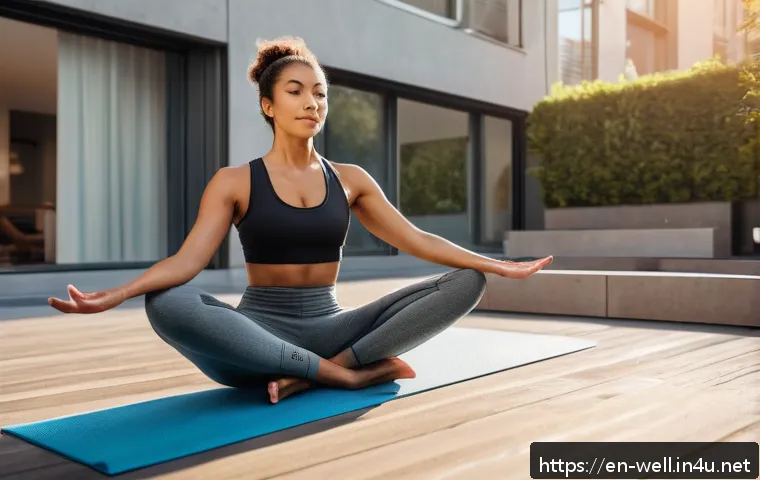
In today’s fast-paced world, prioritizing our wellbeing has never been more essential. With rising stress levels and shifting lifestyles, having a dedicated wellbeing coordinator can transform how we approach health and fitness.

Imagine a personalized fitness plan designed just for you—tailored to your unique goals, preferences, and challenges. This isn’t just about exercise; it’s about unlocking your best self through expert guidance and customized strategies.
Stick around to discover how this personalized approach can make a lasting difference in your life.
Crafting a Routine That Fits Your Life Like a Glove
Understanding Your Unique Lifestyle and Preferences
Everyone’s daily rhythm is different—some of us are morning people who thrive with sunrise workouts, while others find their energy peaks after dinner.
A cookie-cutter approach to fitness rarely sticks because it ignores these personal nuances. When a plan is built around your actual habits and preferences, it feels less like a chore and more like a natural part of your day.
For instance, if you’re juggling a hectic work schedule, incorporating short, high-impact sessions during breaks can be far more sustainable than hour-long gym visits.
This tailored rhythm respects your time and energy, making consistency easier and more enjoyable.
Adapting to Your Physical and Mental Challenges
No two bodies respond the same way to exercise, especially if you’re dealing with injuries, chronic pain, or mental health hurdles like anxiety or depression.
A well-crafted fitness plan acknowledges these factors by incorporating modifications and recovery strategies that keep you safe and motivated. For example, swapping high-impact cardio for low-impact alternatives like swimming or cycling can protect joints while still improving cardiovascular health.
Plus, integrating mindfulness and breathing exercises can boost mental resilience, which is often overlooked but crucial for long-term wellbeing.
Setting Realistic Milestones and Celebrating Progress
It’s tempting to aim for big, sweeping changes overnight, but sustainable success comes from achievable goals that build confidence step by step. Breaking down your fitness journey into smaller milestones—like mastering a new yoga pose, increasing your daily steps, or simply sticking to your routine for a month—creates a sense of accomplishment.
This positive reinforcement fuels motivation and makes the process feel rewarding rather than punishing. Tracking progress visually, whether through apps or a simple journal, can highlight these wins and keep your spirits high.
Balancing Nutrition with Your Fitness Ambitions
Personalizing Your Diet to Support Energy and Recovery
Nutrition is often the silent partner in any fitness plan. Eating in a way that complements your workouts can dramatically improve results and how you feel day-to-day.
Instead of following generic diet trends, focusing on foods that energize you personally—whether that’s a plant-based focus, higher protein intake, or simply eating more whole foods—makes all the difference.
For example, after a strength training session, your body needs sufficient protein and healthy fats to repair muscles and reduce soreness. Tailoring your meals to your workout intensity and goals keeps you fueled and prevents burnout.
Addressing Cravings and Emotional Eating Patterns
Food isn’t just fuel; it’s often tied to emotions and habits. A personalized approach helps identify triggers for unhealthy eating and introduces mindful strategies to manage them.
This could be as simple as swapping late-night snacking for a calming herbal tea ritual or planning balanced snacks to avoid energy crashes. Understanding these patterns helps build a healthier relationship with food, making your fitness plan more holistic and sustainable.
Creating Meal Plans That Fit Your Schedule
Busy lives require practical nutrition solutions. Preparing elaborate meals every day isn’t realistic for everyone, so customizing easy-to-make, nutritious options can keep you on track without stress.
Batch cooking, quick recipes, and portable snacks tailored to your tastes and needs ensure you stay nourished even during the craziest days. This approach saves time, reduces decision fatigue, and supports your fitness goals seamlessly.
Incorporating Mental Wellness into Physical Health
The Role of Mindfulness in Enhancing Fitness Results
Physical wellbeing and mental health are deeply intertwined. Mindfulness practices, such as meditation or focused breathing, can improve concentration, reduce stress, and increase body awareness during workouts.
When you’re mentally present, your movements become more intentional, reducing injury risk and increasing effectiveness. Plus, mindfulness helps manage workout-related anxieties, making exercise a more enjoyable experience rather than a dreaded obligation.
Stress Management Techniques That Complement Exercise
Stress is a major barrier to consistent fitness. Techniques like progressive muscle relaxation, yoga, or even simple stretching routines help lower cortisol levels and calm the nervous system.
These practices don’t just complement physical training—they enhance recovery and improve sleep quality, which are vital for progress. Incorporating them into your routine creates a balanced approach that nurtures both body and mind.
Building Resilience Through Positive Habit Formation
Forming new habits is challenging, especially when life throws curveballs. A mental wellness focus supports resilience by encouraging self-compassion and realistic expectations.
Instead of beating yourself up over missed workouts or slip-ups, learning to adapt and bounce back strengthens long-term commitment. This mindset shift makes your fitness journey more sustainable and less stressful.
Leveraging Technology for Smarter Progress Tracking
Choosing Tools That Align with Your Goals

From wearable trackers to smartphone apps, technology offers countless ways to monitor your fitness journey. The key is selecting tools that fit your specific needs and don’t overwhelm you.
For example, if weight loss is your goal, an app that tracks caloric intake and activity levels might be helpful. Meanwhile, someone focused on strength training might benefit more from workout logs and progress photos.
Aligning technology with your unique goals makes tracking feel supportive rather than intrusive.
Using Data to Adjust and Improve Your Plan
Regularly reviewing your tracked data helps identify what’s working and what needs tweaking. Maybe your energy dips mid-afternoon, indicating a need for a better pre-workout snack, or your sleep tracker shows poor rest after late workouts.
These insights allow for informed adjustments, improving both performance and wellbeing. It’s like having a personalized coach in your pocket, guiding you toward smarter decisions.
Balancing Screen Time and Real-Life Engagement
While technology is a powerful ally, it can also become a distraction. Maintaining a healthy balance by setting boundaries—like turning off notifications during workouts or scheduling tech-free days—ensures you stay connected to your body and environment.
This balance enhances mindfulness and prevents burnout from digital overload.
Creating a Support Network That Encourages Your Growth
Finding Accountability Partners and Communities
Sharing your fitness journey with others can be incredibly motivating. Whether it’s a workout buddy, a local fitness group, or an online community, having people to cheer you on and hold you accountable makes sticking to your plan easier.
These connections provide emotional support, advice, and inspiration, turning what might feel like a solo effort into a shared adventure.
Engaging Professionals for Expert Guidance
Sometimes, having a knowledgeable guide makes all the difference. Certified trainers, nutritionists, or wellness coaches bring expertise that can fine-tune your plan and keep you safe.
Their personalized feedback and encouragement help navigate plateaus and challenges, making your progress more efficient and enjoyable.
Celebrating Success Together
Acknowledging achievements with your support network reinforces positive habits and boosts morale. Whether it’s a small victory like completing a challenging workout or a major milestone like running your first 5K, celebrating together strengthens your commitment and makes the journey more rewarding.
Essential Elements of a Personalized Fitness Plan at a Glance
| Aspect | Key Focus | Benefits |
|---|---|---|
| Routine Customization | Align with lifestyle and preferences | Higher consistency and enjoyment |
| Health Considerations | Adapt for injuries and mental health | Safer workouts and sustained motivation |
| Nutrition Integration | Personalized diet and meal timing | Improved energy and recovery |
| Mental Wellness | Mindfulness and stress management | Better focus and resilience |
| Technology Use | Goal-aligned tracking tools | Informed adjustments and progress |
| Support System | Community and expert involvement | Accountability and encouragement |
In Conclusion
Creating a fitness routine tailored to your life and needs is the key to lasting success. By honoring your unique lifestyle, addressing physical and mental challenges, and leveraging the right tools and support, you build a balanced and enjoyable journey. Remember, fitness is not a one-size-fits-all formula but a personal path that grows with you.
Helpful Information to Keep in Mind
1. Consistency beats intensity—small, regular efforts lead to sustainable progress.
2. Listen to your body and adjust workouts to prevent injury and burnout.
3. Nutrition fuels your performance; prioritize meals that support your specific goals.
4. Mental wellness practices enhance both motivation and recovery.
5. Use technology wisely to track progress without letting it distract from your experience.
Key Takeaways
Personalization is the cornerstone of an effective fitness plan. Align your routine with your lifestyle and preferences to make it enjoyable and consistent. Adapt exercises and nutrition to your health needs and goals, integrating mental wellness for a holistic approach. Utilize technology as a helpful guide, not a source of pressure, and foster a support network to maintain motivation and accountability. This balanced strategy ensures your fitness journey is sustainable, rewarding, and uniquely yours.
Frequently Asked Questions (FAQ) 📖
Q: uestionsQ1: What exactly does a wellbeing coordinator do, and how can they help me?
A: A wellbeing coordinator acts as your personal guide to better health, tailoring fitness plans and lifestyle strategies specifically to your needs. They assess your current habits, understand your goals, and create a customized approach that fits your schedule and preferences.
From stress management techniques to nutrition advice and exercise routines, their role is to provide expert support that keeps you motivated and on track, making your journey to wellbeing more effective and enjoyable.
Q: How is a personalized fitness plan different from generic workout programs?
A: Unlike one-size-fits-all workout programs, a personalized fitness plan is crafted based on your individual goals, physical condition, and lifestyle. This means it considers any limitations, preferences, and even your daily routine to maximize results while minimizing the risk of injury or burnout.
Having a plan that truly fits you often leads to better adherence and quicker progress because it feels relevant and achievable—something I’ve personally experienced when switching from generic plans to tailored ones.
Q: Can working with a wellbeing coordinator really reduce stress and improve my overall health?
A: Absolutely. A wellbeing coordinator not only focuses on physical fitness but also integrates mental and emotional health strategies. By providing tools like mindfulness exercises, time management tips, and balanced nutrition guidance, they help you build resilience against stress.
From my own experience, having that expert support made a huge difference in managing daily pressures and feeling more energized overall. It’s about creating sustainable habits that uplift both body and mind in a holistic way.