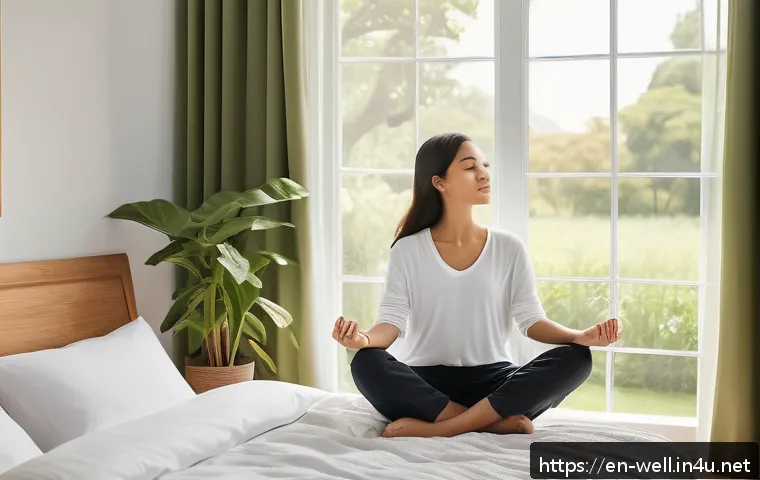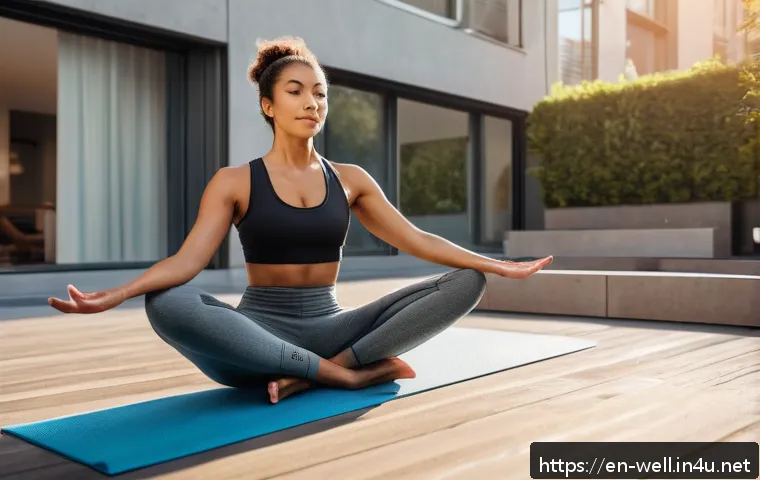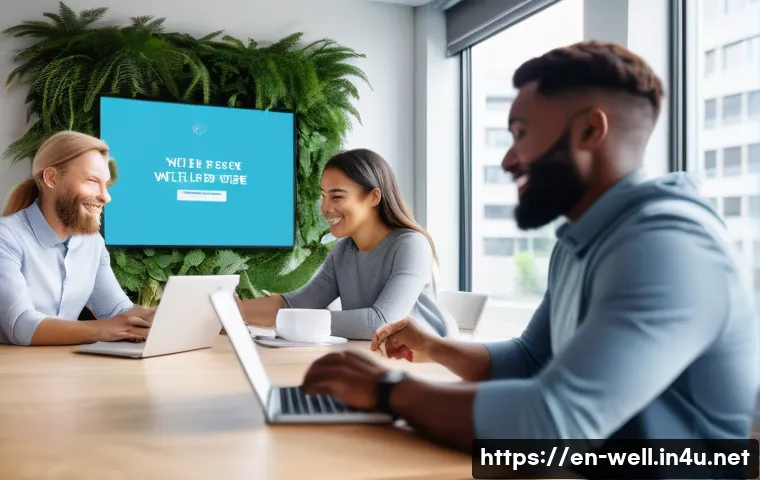
In today’s fast-paced world, the role of a well-being coordinator has become more vital than ever. With increasing awareness around mental health, lifestyle balance, and holistic wellness, these professionals are carving out fresh opportunities in diverse industries.
From corporate wellness programs to personalized health coaching, the market for well-being coordination is expanding rapidly. This shift not only benefits individuals seeking healthier lives but also opens doors for innovative business models.
Curious about how this emerging field is reshaping careers and industries? Let’s dive deeper and uncover the exciting possibilities ahead!
Transforming Workplace Wellness Culture
Integrating Mental Health Into Corporate Strategies
Companies are no longer treating mental health as a sidebar topic; it’s becoming a core part of their wellness strategies. From my experience working with several firms, I’ve noticed they’re investing heavily in mental health resources, such as on-site counseling and digital therapy apps.
This shift reflects a growing understanding that mental well-being directly impacts productivity and employee retention. Implementing these initiatives requires a deep understanding of workplace dynamics and employee needs, which is where well-being coordination expertise shines.
The challenge lies in creating programs that resonate authentically rather than feeling like mandatory checkboxes.
Designing Flexible Wellness Programs
One size does not fit all when it comes to wellness programs. Successful coordinators are tailoring offerings to diverse employee lifestyles and preferences.
For instance, some employees thrive with mindfulness workshops, while others prefer fitness challenges or nutritional coaching. I’ve seen companies adopt hybrid models combining virtual and in-person sessions to accommodate remote workers.
This flexibility not only boosts participation but also fosters a culture where well-being is seen as an ongoing journey, not a one-time event. It’s fascinating to witness how these nuanced programs evolve based on real-time feedback and engagement data.
Measuring Impact and ROI of Wellness Initiatives
A critical piece often overlooked is quantifying the success of wellness programs. From my perspective, demonstrating clear ROI helps justify budget allocations and drives continuous improvement.
Common metrics include reduced absenteeism, lower healthcare costs, and enhanced employee satisfaction scores. However, capturing the subtler benefits—like improved team morale or creativity—requires more qualitative approaches, such as surveys and focus groups.
Well-being coordinators who master both data analytics and human insight are invaluable in making the business case for sustained wellness investments.
Emergence of Personalized Health Coaching
Leveraging Technology for Customized Wellness Plans
Technology has dramatically transformed how personalized health coaching is delivered. I’ve personally used platforms that integrate biometric data from wearable devices to tailor fitness and nutrition advice.
This granular level of customization enables coaches to address individual goals and constraints more effectively than generic programs. Moreover, AI-driven insights help predict potential health risks and suggest proactive measures, making coaching more preventative than reactive.
The blend of human empathy with smart technology is a game-changer in this space.
Building Strong Client-Coach Relationships
One of the most rewarding aspects I’ve observed in health coaching is the trust built between coach and client. Unlike traditional healthcare settings, coaching often focuses on motivation and accountability, which demands consistent, empathetic communication.
Coaches who invest time in understanding a client’s unique challenges—be it stress, lifestyle habits, or personal aspirations—see far better outcomes.
This relationship-centric approach encourages clients to stay committed even when motivation wanes, highlighting the importance of emotional intelligence in well-being roles.
Expanding Market Demand and Career Opportunities
The appetite for personalized coaching services is surging across demographics. From busy executives seeking stress management to retirees aiming for active aging, the market is broad and varied.
Having worked with different client groups, I can attest that this diversity creates exciting career pathways for well-being professionals. Additionally, many are branching into niche areas like sleep coaching, digital detox, or holistic nutrition, which adds layers of specialization and potential revenue streams.
Wellness Tech Innovations Driving Change
Wearables and Real-Time Health Monitoring
Wearable devices like smartwatches and fitness trackers have become ubiquitous, empowering individuals to take charge of their health data. Personally, I found that these gadgets not only track physical activity but also provide insights into sleep patterns, stress levels, and even heart rate variability.
This real-time feedback loop encourages behavior adjustments that can lead to lasting health improvements. For well-being coordinators, these tools offer invaluable data points to customize interventions and monitor progress dynamically.
Virtual Reality and Immersive Stress Relief
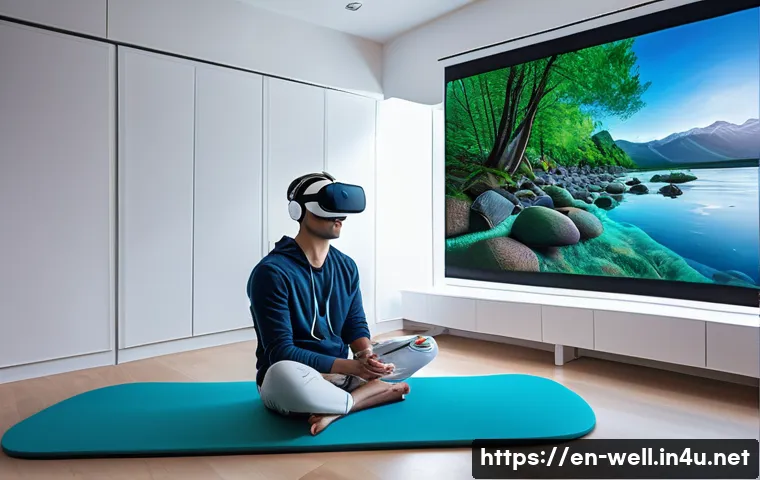
Emerging tech like virtual reality (VR) is opening new frontiers in stress management and mindfulness training. I’ve tried VR meditation sessions, and the immersive environment significantly deepens relaxation compared to traditional methods.
VR can simulate calming natural settings or guide users through breathing exercises in an engaging way, which appeals especially to tech-savvy younger generations.
Integrating these innovations into wellness offerings enhances user experience and keeps programs fresh and appealing.
AI-Powered Wellness Platforms
Artificial intelligence is becoming a behind-the-scenes powerhouse in wellness platforms. These systems analyze user inputs, preferences, and behavior patterns to recommend personalized activities, diet plans, or mental health exercises.
My experience with AI-driven apps has shown that they can adapt quickly to changing user needs, providing a level of customization that manual coaching struggles to match.
However, the human touch remains essential to interpret AI suggestions empathetically and maintain motivation.
Bridging Holistic Health and Lifestyle Balance
Incorporating Mind-Body Practices
Holistic health is about more than just physical fitness; it embraces mental, emotional, and spiritual wellness. I’ve found that integrating practices like yoga, meditation, and tai chi into wellness programs offers profound benefits beyond the gym.
These mind-body techniques help individuals manage stress, improve focus, and foster a sense of inner peace. Well-being coordinators who understand and promote these modalities provide comprehensive support that aligns with modern wellness philosophies.
Encouraging Sustainable Lifestyle Changes
Quick fixes rarely lead to lasting health improvements. From what I’ve seen, the key is encouraging small, sustainable lifestyle shifts rather than drastic overhauls.
This might mean advocating for incremental dietary adjustments, regular movement breaks during work hours, or mindful digital consumption. The role of a well-being professional often involves coaching clients to set realistic goals and celebrate progress, reinforcing positive habits over time.
This patient, personalized approach tends to yield higher success rates.
Addressing Work-Life Integration Challenges
The boundary between work and personal life has blurred, especially with remote and hybrid work models. This creates unique challenges for maintaining wellness.
I’ve noticed that successful programs address this by helping individuals create routines that honor both productivity and rest. Techniques such as time-blocking for self-care, setting digital boundaries, and fostering social connections are critical.
Well-being coordinators who can navigate these complexities offer valuable guidance for achieving balanced, fulfilling lives.
Innovative Business Models in Wellness Industry
Subscription-Based Wellness Services
Subscription models have revolutionized many industries, and wellness is no exception. From my perspective, offering monthly memberships for access to coaching, classes, and digital content creates predictable revenue streams and deeper client engagement.
Clients appreciate the ongoing support and flexibility to explore different wellness options without large upfront costs. Businesses adopting this model often invest in community-building features, which enhance retention by fostering a sense of belonging among members.
Corporate Partnerships and B2B Solutions
Many wellness providers are expanding by partnering directly with corporations to deliver tailored solutions. I’ve witnessed how well-being coordinators become key liaisons, customizing programs to align with company culture and employee demographics.
These B2B arrangements often include comprehensive packages combining assessments, workshops, and follow-ups, creating a seamless wellness ecosystem. The scalability and impact potential of such partnerships make them highly attractive in the evolving marketplace.
Hybrid Wellness Offerings Combining In-Person and Digital
Blending physical and virtual experiences has become a hallmark of successful wellness businesses. In my experience, hybrid models allow clients to benefit from face-to-face interactions and the convenience of digital access.
For example, a client might attend an in-person yoga class once a week while using an app for daily guided meditations. This flexibility meets the needs of busy lifestyles and broadens market reach.
Companies that master this hybrid approach often see increased client satisfaction and program longevity.
Essential Skills for Success in Well-Being Roles
Emotional Intelligence and Communication
Effective well-being professionals must excel in emotional intelligence, which means recognizing and responding sensitively to clients’ feelings and motivations.
I’ve found that strong communication skills enable coordinators to build rapport quickly and foster trust, which is crucial for encouraging meaningful change.
This includes active listening, empathy, and the ability to frame feedback constructively. Without these interpersonal strengths, even the most scientifically sound programs may fall flat.
Data Literacy and Analytical Thinking
With wellness increasingly data-driven, the ability to interpret health metrics and engagement analytics is invaluable. From my own experience, being comfortable with data allows coordinators to identify trends, personalize interventions, and demonstrate program effectiveness.
This skill set bridges the gap between qualitative client interactions and quantitative outcomes, creating a more holistic approach to wellness management.
Learning to use tools like Excel, wellness software, or even basic statistics can set professionals apart.
Adaptability and Lifelong Learning
The wellness field is dynamic, with new research, technologies, and trends constantly emerging. I’ve noticed that professionals who embrace adaptability and commit to continuous education stay ahead.
This might involve attending workshops, obtaining certifications, or experimenting with innovative approaches. The willingness to evolve keeps offerings relevant and enhances credibility.
Ultimately, a growth mindset helps well-being coordinators navigate uncertainties and seize new opportunities effectively.
| Well-Being Sector | Key Trends | Career Opportunities | Technological Tools |
|---|---|---|---|
| Corporate Wellness | Mental health integration, flexible programs, ROI measurement | Program Manager, Wellness Consultant, Mental Health Coach | Employee engagement platforms, analytics software |
| Personalized Health Coaching | Data-driven customization, client-coach rapport, niche specializations | Health Coach, Nutritionist, Sleep Consultant | Wearables, AI coaching apps |
| Wellness Technology | Wearables, VR stress relief, AI-powered platforms | Tech Specialist, UX Designer, Wellness Data Analyst | Smartwatches, VR headsets, AI algorithms |
| Holistic Lifestyle | Mind-body practices, sustainable habits, work-life integration | Yoga Instructor, Mindfulness Coach, Lifestyle Consultant | Mobile apps, virtual classes |
| Business Models | Subscription services, corporate partnerships, hybrid offerings | Business Developer, Client Relations Manager, Digital Content Creator | Membership platforms, video conferencing tools |
Conclusion
Workplace wellness is evolving rapidly, embracing mental health, technology, and personalized approaches to create healthier, more engaged employees. From flexible programs to innovative tech tools, the future of well-being is dynamic and inclusive. Investing in these strategies not only benefits individuals but also drives meaningful business outcomes. Embracing this holistic vision is key to fostering a thriving workplace culture.
Useful Information to Remember
1. Mental health integration is essential for modern corporate wellness, improving productivity and retention.
2. Tailored wellness programs that accommodate diverse needs boost participation and long-term success.
3. Measuring both quantitative and qualitative outcomes ensures wellness initiatives deliver real value.
4. Technology like wearables and AI enhances personalized coaching and real-time health monitoring.
5. Emotional intelligence and adaptability are critical skills for well-being professionals navigating this evolving field.
Key Takeaways
Creating effective wellness programs requires authentic engagement and customization to truly meet employee needs. Leveraging technology thoughtfully can amplify impact but should never replace the human connection that drives motivation. Continuous measurement and flexibility help sustain these initiatives in a changing work environment. Finally, well-being roles demand a blend of empathy, data savvy, and ongoing learning to succeed in this fast-moving landscape.
Frequently Asked Questions (FAQ) 📖
Q: What exactly does a well-being coordinator do in a workplace setting?
A: A well-being coordinator focuses on creating and managing programs that promote physical, mental, and emotional health among employees. This can include organizing stress management workshops, fitness challenges, mindfulness sessions, and providing resources for healthier lifestyle choices.
From my experience, a great coordinator tailors initiatives to the unique culture and needs of the company, making wellness feel accessible and engaging rather than a checkbox task.
The ultimate goal is to boost overall morale and productivity by fostering a supportive environment where employees feel cared for.
Q: How can someone transition into a career as a well-being coordinator?
A: Transitioning into this field usually involves gaining relevant knowledge in health, psychology, or human resources, combined with practical experience in program development or coaching.
Many start by volunteering or working in roles related to wellness, such as fitness trainers, counselors, or HR assistants focused on employee engagement.
I’ve seen people benefit greatly from certifications in wellness coaching or mental health first aid, which add credibility. Networking in industry groups and staying updated on the latest wellness trends also opens doors.
The key is demonstrating a genuine passion for helping others live better, healthier lives.
Q: What industries are currently hiring well-being coordinators, and what opportunities exist beyond traditional corporate roles?
A: While corporate wellness programs are the most common employers, well-being coordinators are increasingly in demand across healthcare, education, hospitality, and even tech startups.
For example, hospitals might hire them to support patient and staff wellness, while schools look for coordinators to improve student mental health. I’ve noticed a growing trend toward freelance or consultancy roles where coordinators partner with multiple organizations or offer personalized coaching services.
This flexibility not only broadens career possibilities but also allows professionals to tailor their work to their strengths and interests.