
In today’s fast-paced world, well-being coordinators are becoming essential guides who help individuals navigate the complex landscape of health and wellness.

Their role blends personalized care with the latest healthcare trends, ensuring people not only live longer but thrive with quality. From wearable technology to holistic mental health approaches, the wellness industry is evolving rapidly.
Understanding these shifts can empower you to make smarter choices for your lifestyle. Let’s dive deep and explore the cutting-edge trends shaping the future of health and how well-being coordinators are leading the way.
Get ready to uncover the details that could transform your wellness journey!
Personalized Wellness Strategies in a Tech-Driven Era
Integrating Wearable Devices for Real-Time Health Insights
The surge in wearable technology has truly transformed how individuals monitor their health daily. From smartwatches tracking heart rate variability to sleep quality sensors, these devices offer a window into one’s physiological state like never before.
What I’ve found most impressive is how well-being professionals use this data not just to flag problems but to tailor lifestyle adjustments that fit each person’s unique needs.
Instead of generic advice, coordinators analyze trends over weeks or months, making tweaks that align with actual behavior patterns. This approach feels far more intuitive and effective because it’s rooted in real-time feedback rather than assumptions.
Plus, as these gadgets become more affordable and user-friendly, their role in personalized health management is only set to deepen.
Custom Nutrition Plans Backed by Data Analytics
Nutrition isn’t one-size-fits-all, and today’s wellness experts know that better than ever. With the help of genetic testing and microbiome analysis, it’s possible to craft diets that optimize not only weight management but also mental clarity and energy levels.
I’ve seen firsthand how clients respond when their meal plans are customized based on their body’s unique biochemical makeup—results tend to be more sustainable and satisfying.
This shift away from fad diets towards evidence-based personalization ensures that people don’t just eat healthier but feel genuinely better. The dynamic feedback loop between nutrition, lifestyle, and wellness coordinators’ guidance is a game-changer for long-term health.
Holistic Monitoring Beyond Physical Health
Modern wellness isn’t limited to just the physical dimension. Coordinators are increasingly incorporating mental and emotional health tracking into their programs.
Tools like mood-tracking apps and stress-level sensors enable a deeper understanding of how daily events impact overall well-being. From my experience, this holistic monitoring helps identify hidden stressors or emotional patterns that might sabotage progress if ignored.
By addressing mental health proactively alongside physical health, coordinators foster a more balanced and resilient lifestyle. It’s this comprehensive approach that truly differentiates today’s wellness support from traditional healthcare.
Emerging Approaches to Mental Wellness and Mindfulness
Digital Therapeutics: Bridging Therapy and Technology
The rise of digital therapeutics has revolutionized how mental health care is delivered. Apps designed for cognitive behavioral therapy (CBT), meditation, and mood regulation provide accessible, on-demand support to users.
What struck me the most is how these tools can complement traditional therapy by reinforcing positive habits daily. Wellness coordinators often recommend specific digital programs tailored to individual needs, which helps maintain consistency outside clinical settings.
The convenience of these resources breaks down barriers like stigma and time constraints, making mental wellness more approachable for many.
Mindfulness Practices Adapted for Busy Lives
Incorporating mindfulness into a hectic schedule can feel daunting, but wellness professionals have developed creative ways to embed these practices seamlessly.
Whether it’s micro-meditations during work breaks or mindful movement routines, these techniques are designed to fit real-world demands. I’ve noticed that clients who commit to even brief moments of mindfulness report reduced anxiety and improved focus.
Coordinators emphasize that mindfulness is not about perfection but about cultivating awareness and presence in everyday moments, making it a powerful tool for stress management and emotional regulation.
Community Support as a Pillar of Mental Health
No wellness journey is complete without social connection. Well-being coordinators increasingly highlight the importance of building supportive networks, whether through group workshops, peer coaching, or online communities.
From my perspective, these connections provide a sense of belonging and accountability that can be crucial during challenging times. The shared experiences and encouragement found in these communities often motivate individuals to stay committed to their goals.
Social wellness is an integral piece that enhances both mental and physical health outcomes.
Revolutionizing Preventive Care Through Predictive Analytics
Leveraging Big Data to Anticipate Health Risks
Predictive analytics is reshaping how preventive care operates by analyzing vast datasets to forecast potential health issues before symptoms appear. Wellness coordinators utilize these insights to guide clients in taking proactive steps, such as lifestyle modifications or early screenings.
My encounters with predictive tools showed me how this approach reduces emergency interventions and promotes a proactive mindset. By identifying risk factors early, individuals can avoid costly treatments and improve their quality of life significantly.
Personalized Screening and Early Intervention
Thanks to advances in predictive modeling, screenings are becoming more targeted and personalized. Instead of blanket recommendations, coordinators help determine which tests or assessments are most relevant based on individual risk profiles.
This precision not only reduces unnecessary procedures but also increases the likelihood of catching issues early. I’ve observed that clients feel more empowered when they understand the rationale behind specific screenings, which builds trust and encourages compliance with health plans.
Data Security and Ethical Considerations
With increased reliance on personal health data, privacy concerns naturally arise. It’s reassuring that wellness coordinators advocate for transparent data management practices, ensuring client information remains confidential and secure.
From my perspective, this commitment to ethics strengthens the trust relationship and encourages more honest sharing, which is vital for effective care.
Navigating the balance between innovation and privacy is an ongoing challenge but one that wellness professionals take seriously.
Holistic Fitness and Movement Innovations
Functional Training Tailored to Individual Needs
Fitness today goes beyond traditional gym workouts; it focuses on functional movement that supports daily activities and long-term mobility. Wellness coordinators design exercise plans that consider a person’s lifestyle, physical limitations, and goals.
I’ve personally tried functional training routines recommended by experts and noticed improvements not just in strength but in posture and energy levels.
This individualized attention helps prevent injury and keeps fitness enjoyable and sustainable.
Technology-Enhanced Physical Activity
From virtual reality workouts to AI-driven personal trainers, technology is making exercise more engaging and accessible. These innovations allow for real-time feedback and motivation, which many people find encouraging.
I recall a client who struggled with motivation but thrived after using an app that gamified her workouts, turning exercise into a fun challenge. Wellness coordinators often integrate these tools to boost adherence and track progress accurately.
Recovery and Regeneration Techniques
Equally important as movement is how the body recovers. Coordinators now emphasize recovery strategies such as myofascial release, cryotherapy, and guided stretching.
These methods help reduce soreness and improve flexibility, enhancing overall performance. In my experience, incorporating recovery into fitness routines reduces burnout and keeps enthusiasm high.
It’s a reminder that wellness is about balance, not just pushing harder.
Nutrition Technology and Sustainable Eating Habits
Smart Meal Planning Tools and Apps
The explosion of nutrition apps has made meal planning more efficient and personalized. These tools often include barcode scanners, recipe suggestions, and nutrient tracking tailored to dietary goals.
Wellness coordinators utilize these platforms to help clients make informed food choices without feeling overwhelmed. I’ve found that having easy access to nutritional data empowers people to stick with healthier habits longer because it removes guesswork and frustration.
Emphasis on Plant-Based and Sustainable Diets
Sustainability is becoming a core consideration in dietary advice. Coordinators encourage plant-forward meals not only for health benefits but also for environmental impact.
From my observations, people who adopt these diets often report higher energy levels and improved digestion. The shift towards sustainable eating aligns personal wellness with a broader purpose, which can be deeply motivating.
Gut Health as a Central Focus
Gut health has taken center stage in nutrition conversations due to its influence on immunity, mood, and metabolism. Probiotics, prebiotics, and fermented foods are now staples in many wellness plans.
I’ve personally experienced better digestion and mental clarity after incorporating these elements into my diet. Wellness coordinators educate clients about the gut-brain axis, making this complex topic approachable and actionable.
Comprehensive Sleep Optimization Practices
Technology-Assisted Sleep Tracking
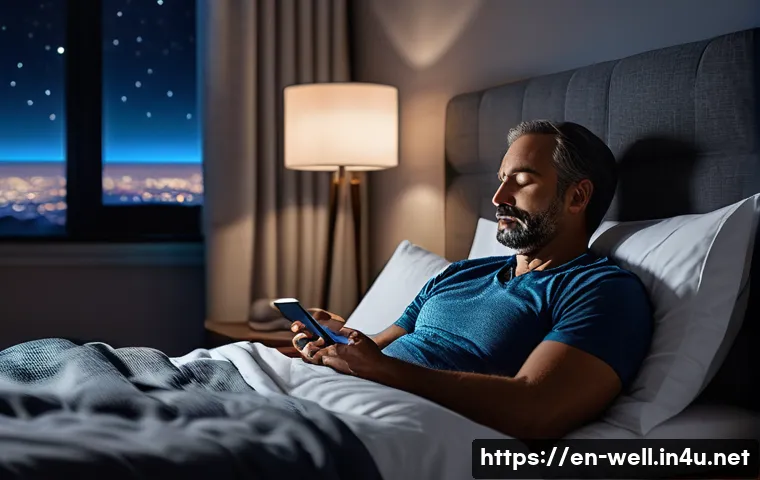
Sleep quality profoundly affects overall health, and technology now provides detailed insights into sleep patterns. Devices and apps can monitor stages of sleep, interruptions, and environmental factors.
Wellness coordinators use this information to recommend targeted interventions like light therapy or sleep hygiene adjustments. From my experience, understanding sleep metrics helps clients make meaningful changes rather than guessing what’s wrong.
Behavioral Techniques to Improve Sleep Hygiene
Beyond gadgets, coordinators stress behavioral changes such as consistent sleep schedules, reducing screen time before bed, and creating calming bedtime routines.
I’ve noticed that clients who adopt these habits report falling asleep faster and feeling more rested. These simple, cost-effective strategies often yield significant improvements when consistently applied.
Addressing Underlying Sleep Disorders
Recognizing when poor sleep signals a deeper problem is crucial. Wellness coordinators collaborate with healthcare providers to identify issues like sleep apnea or restless leg syndrome.
Early intervention can prevent serious health consequences. I’ve seen clients’ lives transform when these conditions are properly diagnosed and managed, underscoring the importance of comprehensive sleep care.
| Trend | Key Features | Benefits | Example Tools |
|---|---|---|---|
| Wearable Health Tech | Real-time monitoring, biometric data tracking | Personalized health insights, proactive adjustments | Apple Watch, Fitbit, Oura Ring |
| Digital Mental Health | On-demand therapy apps, mood tracking | Accessible support, reduced stigma | Headspace, Calm, Talkspace |
| Predictive Analytics | Data-driven risk forecasting, personalized screenings | Early intervention, cost savings | Health Catalyst, IBM Watson Health |
| Functional Fitness | Individualized movement, injury prevention | Improved mobility, sustainable exercise | Peloton, Mirror, AI trainers |
| Nutrition Tech | Meal planning, nutrient tracking | Informed food choices, sustainable diets | MyFitnessPal, Noom, Fooducate |
| Sleep Optimization | Sleep tracking, behavioral coaching | Improved rest, health restoration | Withings Sleep, Sleep Cycle, Philips SmartSleep |
Empowering Behavioral Change Through Coaching Techniques
Motivational Interviewing to Uncover True Drivers
Motivational interviewing is a powerful technique that wellness coordinators use to help clients explore their own reasons for change. Rather than imposing advice, coordinators ask thoughtful questions that reveal what truly matters to the individual.
I’ve noticed this method builds intrinsic motivation, which tends to be more enduring than external pressure. When people connect their goals to personal values, commitment feels authentic and sustainable.
Setting Realistic, Incremental Goals
Breaking down large health objectives into manageable steps is a cornerstone of successful coaching. Coordinators work with clients to set achievable targets that build confidence and momentum.
From my perspective, this approach reduces overwhelm and discouragement, making progress feel tangible. Celebrating small wins keeps energy high and fosters a positive mindset throughout the journey.
Accountability and Support Systems
Regular check-ins and social support are crucial for maintaining behavior change. Wellness coordinators often facilitate accountability partnerships or group challenges that encourage consistent effort.
I’ve seen clients thrive when they know someone is tracking their progress and cheering them on. This sense of community adds a layer of motivation that’s hard to replicate alone.
The Role of Environmental and Social Factors in Wellness
Creating Spaces That Promote Health
The environment where we live and work profoundly impacts our well-being. Coordinators advise on optimizing lighting, air quality, and ergonomics to support physical and mental health.
I’ve experienced how small changes like adding plants or improving desk setup can boost mood and productivity. This environmental awareness encourages people to take control of their surroundings as part of their wellness strategy.
Social Determinants and Health Equity
Well-being professionals increasingly recognize that social factors such as access to nutritious food, safe neighborhoods, and healthcare resources influence outcomes.
They advocate for addressing these determinants by connecting clients with community programs and support networks. From my viewpoint, acknowledging these broader influences ensures a more compassionate and effective approach to health promotion.
Building Resilience Through Community Engagement
Participating in community activities not only enhances social bonds but also builds resilience against stress and adversity. Coordinators encourage clients to find meaningful ways to engage, whether volunteering, joining clubs, or attending wellness events.
I’ve seen how these connections foster a sense of purpose and belonging, which are vital for long-term well-being. This social dimension enriches the wellness journey far beyond individual efforts.
Closing Thoughts
As technology continues to evolve, personalized wellness strategies are becoming more accessible and effective than ever before. By integrating real-time data, holistic approaches, and community support, individuals can achieve sustainable health improvements tailored to their unique needs. Embracing these innovations empowers us to take control of our well-being in meaningful ways.
Useful Insights to Remember
1. Wearable devices provide continuous health feedback, enabling timely lifestyle adjustments for better outcomes.
2. Personalized nutrition based on genetic and microbiome data offers more sustainable and satisfying health benefits.
3. Mental wellness tools and community support play a critical role in fostering emotional resilience.
4. Predictive analytics and targeted screenings help prevent illness by identifying risks early and guiding proactive care.
5. Functional fitness and recovery strategies enhance mobility and prevent burnout, making exercise more enjoyable and effective.
Key Takeaways for Effective Wellness
Personalized wellness thrives on integrating technology with human-centered coaching to meet individual needs. Real-time data and behavioral techniques create a powerful feedback loop that supports lasting change. Prioritizing mental health alongside physical fitness, while ensuring privacy and ethical data use, builds trust and promotes holistic well-being. Lastly, acknowledging environmental and social factors enriches the wellness journey, making it more inclusive and resilient.
Frequently Asked Questions (FAQ) 📖
Q: What exactly does a well-being coordinator do, and how can they help me improve my health?
A: A well-being coordinator acts as your personalized guide through the often overwhelming world of health and wellness. They assess your unique needs, lifestyle, and goals to create tailored plans that balance physical health, mental well-being, and nutrition.
From recommending wearable tech that tracks your vitals to suggesting mindfulness practices, they blend the latest trends with proven strategies. Having someone who continuously supports and adapts your wellness journey can make all the difference in staying motivated and achieving sustainable results.
Q: How are wearable technologies changing the way well-being coordinators support their clients?
A: Wearable tech has become a game-changer in personalized health management. Devices like smartwatches and fitness trackers provide real-time data on heart rate, sleep patterns, activity levels, and even stress indicators.
Well-being coordinators leverage this information to fine-tune recommendations, spot potential issues early, and celebrate progress in tangible ways. From my experience, when clients actively use these devices, they tend to feel more accountable and engaged, which boosts overall effectiveness and enjoyment in their wellness routines.
Q: Why is a holistic approach to mental health important in modern wellness programs?
A: Mental health is no longer treated as a separate issue but as an integral part of overall well-being. Modern wellness programs emphasize holistic methods that include mindfulness, stress management, social connection, and sometimes alternative therapies like yoga or meditation.
Well-being coordinators understand that emotional resilience and mental clarity directly impact physical health and lifestyle choices. Personally, I’ve seen that when mental health is prioritized alongside physical care, people experience more energy, better sleep, and a greater sense of balance in their daily lives.