In today’s fast-paced world, well-being coordinators play a crucial role in guiding individuals toward healthier lifestyles. Their expertise not only supports personal wellness but also strengthens community health initiatives.

Health campaigns, when effectively managed, can significantly improve public awareness and encourage lasting behavioral changes. Analyzing the impact of these campaigns helps us understand what strategies truly resonate with people and promote sustainable health habits.
From my experience, combining professional guidance with targeted outreach creates a powerful synergy for better health outcomes. Let’s dive deeper to uncover how these elements come together for maximum effect!
Understanding the Role of Well-being Coordinators in Everyday Life
Bridging the Gap Between Knowledge and Action
Well-being coordinators often act as the crucial link between health information and real-life application. From my experience, they don’t just hand out pamphlets or share statistics; they tailor advice to each individual’s unique situation.
This personalized approach makes a world of difference because it turns abstract health concepts into actionable steps. I’ve seen people become motivated when coordinators help them set achievable goals rather than overwhelming them with drastic lifestyle changes.
This balance of encouragement and realistic planning builds trust and encourages sustained commitment.
Creating Supportive Environments
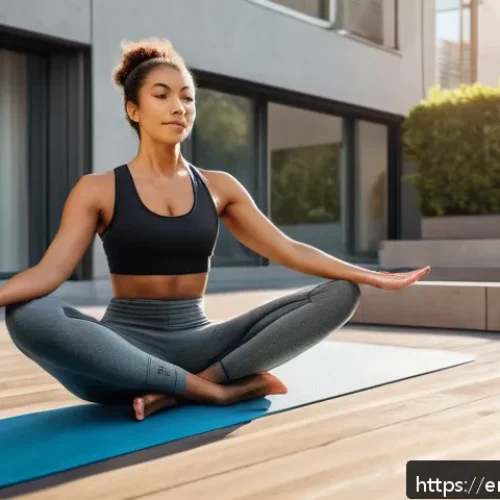
Another vital contribution of well-being coordinators is fostering environments that promote healthy choices. Whether it’s organizing community yoga sessions or facilitating nutrition workshops at workplaces, they create spaces where people feel supported rather than judged.
I remember attending a local wellness event where the coordinator’s positive energy transformed a room full of strangers into a supportive group sharing their progress and challenges.
This sense of community support often plays a bigger role in maintaining healthy habits than the initial motivation alone.
Adapting to Diverse Needs and Cultures
Well-being coordinators also face the challenge of addressing diverse populations with different cultural backgrounds and health beliefs. Their ability to listen and adapt communication styles is key to breaking down barriers.
For instance, in multi-ethnic neighborhoods, coordinators might incorporate culturally relevant foods into nutrition advice or use familiar analogies to explain exercise benefits.
This cultural sensitivity ensures that health messages resonate deeply, making individuals more likely to embrace recommended changes.
Maximizing the Impact of Health Campaigns Through Targeted Outreach
Segmenting Audiences for Better Engagement
One of the most effective strategies I’ve observed in successful health campaigns is precise audience segmentation. Instead of broad, one-size-fits-all messaging, campaigns that tailor content based on demographics, interests, and behaviors achieve greater engagement.
For example, a campaign targeting young adults might focus on mental wellness and stress management via social media, while older adults receive messages around chronic disease prevention through community centers or local radio.
This targeted approach respects people’s specific needs and contexts, making health advice feel relevant and personal.
Leveraging Multiple Communication Channels
Health campaigns that combine online and offline channels tend to have a wider reach and stronger influence. I’ve noticed that pairing social media posts with on-the-ground events or printed materials reinforces the message.
When people see consistent information through different sources, they’re more likely to trust and remember it. Additionally, interactive elements like webinars, Q&A sessions, or challenge groups create ongoing engagement rather than one-off exposure, encouraging people to take actionable steps.
Using Storytelling to Drive Emotional Connection
Numbers and facts alone rarely inspire lasting change, but stories do. Campaigns that share real-life experiences of individuals overcoming health challenges or adopting new habits create emotional resonance.
I recall a campaign where personal testimonials were featured prominently, leading to a noticeable increase in participation and positive feedback. Stories humanize health issues, reduce stigma, and motivate others by showing that change is possible and relatable.
Measuring Success: Analyzing Health Campaign Outcomes
Defining Clear and Realistic Metrics
Before diving into data, it’s essential to establish what success looks like for a health campaign. Are you aiming to increase awareness, change behaviors, or improve clinical outcomes?
From my experience working alongside health coordinators, campaigns with clearly defined, measurable goals—like a 20% increase in physical activity among participants or a 15% drop in smoking rates—allow for more focused evaluation and adjustment.
Vague objectives often lead to inconclusive results and missed opportunities to optimize strategies.
Collecting Qualitative and Quantitative Data
Analyzing the impact of health campaigns requires a mix of data types. Quantitative data such as survey results, participation rates, and biometric measurements provide concrete evidence of change.
However, qualitative insights gathered through interviews or focus groups reveal the “why” behind behaviors and perceptions. I’ve found that combining these methods paints a fuller picture, uncovering barriers and facilitators that numbers alone might miss.
This comprehensive analysis is invaluable for refining future campaigns.
Adjusting Strategies Based on Feedback
Successful campaigns remain flexible and responsive to ongoing feedback. For instance, if a particular message isn’t resonating or a delivery channel underperforms, coordinators can pivot quickly rather than sticking rigidly to the original plan.
I witnessed a campaign that initially struggled with engagement until the team introduced interactive quizzes and local influencer partnerships, which dramatically boosted participation.
This willingness to adapt based on evidence is what separates fleeting campaigns from those that achieve lasting impact.
Building Sustainable Health Habits Through Continuous Support
Establishing Routine Check-ins and Follow-ups
Long-term health improvements rarely happen overnight. From what I’ve seen, well-being coordinators who schedule regular follow-ups with participants help maintain momentum and accountability.
These check-ins, whether through phone calls, texts, or in-person visits, provide opportunities to celebrate successes and troubleshoot challenges. This ongoing connection prevents people from feeling isolated and reinforces that their health journey is valued and supported.
Integrating Technology for Personalized Guidance
Digital tools have become indispensable in sustaining health habits. Coordinators often recommend apps that track nutrition, exercise, or sleep, allowing participants to visualize progress and stay motivated.
I personally started using a fitness app suggested by a coordinator, and the daily reminders and goal-setting features made a huge difference in keeping me on track.
When combined with human support, technology acts as a constant companion rather than a standalone solution.

Encouraging Peer Support Networks
Creating peer groups or buddy systems within wellness programs fosters a sense of camaraderie and shared purpose. People tend to stick with habits when they feel accountable to friends or group members.
I’ve experienced firsthand how joining a walking group organized by a coordinator transformed a solo effort into a social activity, making exercise more enjoyable and consistent.
These social connections often outlast the formal program, embedding health habits into everyday life.
Effective Communication Techniques for Health Promotion
Using Simple and Clear Language
Health messages lose their power if they’re too complex or filled with jargon. Coordinators who excel in communication distill scientific information into simple, relatable terms.
I’ve attended workshops where technical terms were replaced with everyday examples, making it easier to grasp concepts like blood pressure or inflammation.
This clarity reduces confusion and helps people feel confident in making informed choices.
Employing Visual Aids and Demonstrations
Visual tools such as infographics, videos, or live demonstrations enhance understanding and retention. Watching a cooking demo or seeing a step-by-step exercise routine makes information tangible.
I recall a nutrition class where the coordinator used colorful charts to compare sugar content in common drinks; it was eye-opening and sparked immediate changes in my beverage choices.
These engaging formats cater to different learning styles and boost participation.
Encouraging Interactive Dialogue
Rather than lecturing, the best coordinators foster two-way conversations that invite questions and feedback. This interactive approach respects participants’ experiences and knowledge, making them active partners in their health journey.
I found that during group sessions where dialogue was encouraged, people were more honest about challenges and more receptive to suggestions. This sense of empowerment is critical for meaningful behavior change.
Challenges and Opportunities in Community Health Initiatives
Addressing Resource Limitations
One common hurdle is limited funding or staffing, which can restrict the scope and frequency of programs. Coordinators often have to get creative, leveraging partnerships with local businesses or volunteers to fill gaps.
From what I’ve observed, communities that embrace collaboration tend to sustain initiatives longer and reach more people. This resourcefulness highlights the passion and dedication behind effective health promotion efforts.
Overcoming Misinformation and Skepticism
In today’s information-rich environment, misinformation can undermine health campaigns. Coordinators play a crucial role in debunking myths and building trust.
I’ve seen situations where addressing concerns openly and providing credible sources helped reduce skepticism and increase acceptance of health advice.
Patience and transparency are key qualities that make this possible.
Harnessing Technology and Innovation
Advancements in digital health, data analytics, and social media offer exciting opportunities to enhance community health work. Coordinators who embrace these tools can personalize interventions and expand reach.
For example, virtual reality programs for stress reduction or AI-driven chatbots for health coaching are emerging trends I’ve witnessed being piloted with promising results.
Staying ahead of technology trends allows programs to remain relevant and impactful.
| Aspect | Traditional Approach | Modern Strategy | Benefits |
|---|---|---|---|
| Audience Engagement | Generalized messaging | Segmented, personalized content | Higher relevance and participation |
| Communication Channels | Print and in-person only | Multi-channel including digital platforms | Wider reach and repeated exposure |
| Support Mechanisms | One-time workshops | Continuous follow-ups and peer networks | Improved habit sustainability |
| Data Collection | Quantitative surveys only | Mixed methods with qualitative insights | Deeper understanding of impact |
| Technology Use | Minimal or none | Apps, social media, AI tools | Enhanced personalization and engagement |
글을 마치며
Well-being coordinators play a vital role in turning health knowledge into meaningful action by offering personalized support and fostering community connections. Their ability to adapt strategies and embrace technology enhances the effectiveness of health campaigns. By continuously engaging participants and encouraging peer support, they help build lasting healthy habits. Ultimately, their work bridges the gap between information and sustainable lifestyle changes.
알아두면 쓸모 있는 정보
1. Personalized health advice increases motivation more than generic guidelines, making small, achievable goals key to success.
2. Combining online tools like apps with human support boosts accountability and helps maintain long-term habits.
3. Culturally sensitive communication improves acceptance and relevance in diverse communities.
4. Using storytelling and real-life testimonials in campaigns creates emotional connections that drive engagement.
5. Regular follow-ups and peer support networks significantly enhance the sustainability of health improvements.
중요 사항 정리
Effective health promotion requires a blend of tailored communication, community engagement, and ongoing support. Well-being coordinators must remain flexible, leveraging technology and feedback to refine their approaches. Clear goal-setting and mixed data analysis help measure impact accurately. Overcoming challenges like resource limits and misinformation depends on creativity, transparency, and trust-building. Ultimately, fostering supportive environments and peer connections is essential for lasting health behavior change.
Frequently Asked Questions (FAQ) 📖
Q: What exactly does a well-being coordinator do to help individuals lead healthier lives?
A: A well-being coordinator acts as a personalized guide who assesses an individual’s lifestyle, identifies areas for improvement, and provides tailored advice and resources.
From my experience, they don’t just hand out generic tips—they work closely with you to set realistic goals, motivate you, and connect you with community programs or health professionals.
This hands-on approach makes adopting healthier habits much more achievable and sustainable.
Q: How can health campaigns effectively encourage people to change their behaviors for the long term?
A: Successful health campaigns go beyond just spreading information—they create relatable messages that connect emotionally with the audience. Based on what I’ve seen, campaigns that combine clear, actionable advice with community involvement tend to stick better.
For example, using local stories or influencers to share success stories can inspire others to follow suit. Plus, ongoing engagement rather than one-time events helps reinforce those positive changes over time.
Q: Why is it important to analyze the impact of health campaigns, and how is this usually done?
A: Analyzing the impact is crucial because it shows what’s working and what isn’t, allowing organizers to fine-tune their strategies. In practice, this involves collecting data through surveys, attendance rates, and sometimes health outcome measurements like reduced smoking rates or increased exercise frequency.
From my own observations, campaigns that use this feedback loop tend to evolve and improve continuously, leading to more meaningful and lasting health improvements in the community.