7 Essential Tips for Wellbeing Coordinators to Boost Success in Healthcare Startups

webmaster

웰빙코디네이터와 헬스케어 스타트업 - A diverse group of wellness coaches and clients in a bright, modern health tech office, interacting ...

In today’s fast-paced world, well-being coordinators are becoming essential guides in navigating health and lifestyle choices. Coupled with the rise of healthcare startups, this dynamic duo is reshaping how we approach personal wellness and medical innovation.

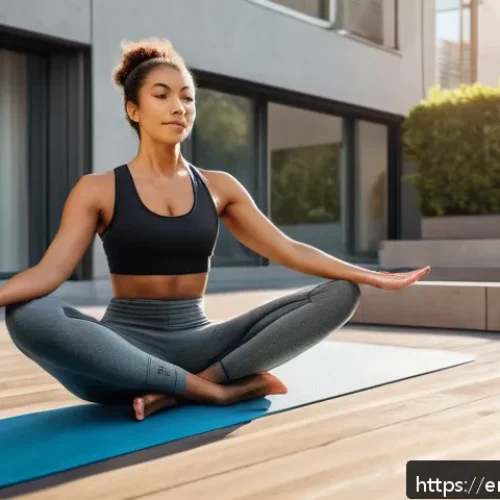
웰빙코디네이터와 헬스케어 스타트업 관련 이미지 1

These startups leverage cutting-edge technology to offer personalized health solutions, while well-being coordinators ensure these innovations fit seamlessly into daily life.

The synergy between human expertise and digital health is driving a new era of proactive care. Curious about how this partnership is transforming the health landscape?

Let’s dive deeper and explore the details ahead!

Bridging Personal Wellness with Tech Innovations

Human Touch in a Digital Health Era

The intersection of personal wellness and technology is more than just apps and gadgets; it’s about how real people guide others to make meaningful health choices.

From my experience chatting with wellness professionals, their role often involves translating complex medical data into everyday actions. It’s not simply about handing over a wearable device but coaching individuals to understand what the data means for their unique lifestyle.

This personalized guidance makes technology feel less intimidating and more like a supportive companion in one’s health journey.

Tailoring Health Plans Beyond Algorithms

While AI and machine learning analyze vast health datasets, the nuances of human behavior require empathy and adaptability. Wellness experts often customize plans based on emotional readiness, stress levels, and even social factors that algorithms can’t fully grasp.

For instance, I’ve seen coordinators adjust recommendations after a single conversation, recognizing that a rigid plan won’t work for someone juggling family and work.

This flexibility leads to higher success rates and a more sustainable approach to health.

Empowering Users with Knowledge and Confidence

One of the most rewarding aspects of this synergy is how it empowers users to take control of their health. Instead of feeling overwhelmed by medical jargon or tech features, people gain confidence through ongoing support.

From my perspective, this empowerment is a game-changer — when users understand why they’re making changes and how tools assist them, they’re far more likely to stick with new habits.

It’s this blend of education and encouragement that truly elevates wellness outcomes.

Advertisement

Driving Innovation Through Collaborative Startups

How Startups Are Revolutionizing Health Access

Healthcare startups are rewriting the rules by making personalized care accessible anytime, anywhere. In my observation, their use of mobile apps, telehealth platforms, and AI diagnostics has dismantled traditional barriers like location and appointment wait times.

For example, someone in a rural area can now get expert advice through a smartphone app, a scenario that seemed futuristic just a few years ago. This democratization of healthcare is a major leap forward, and startups are at the heart of it.

Integrating Wearables and Data Analytics

Wearable technology is more than just step counters — it’s a goldmine of real-time health information. Startups harness this data to create dynamic health profiles that evolve with the user.

I’ve noticed that companies combining wearables with sophisticated analytics can predict health risks early, prompting timely interventions. This proactive approach contrasts sharply with reactive healthcare, where issues are addressed only after symptoms appear.

The Role of User Experience in Adoption Rates

A sleek design and intuitive interface aren’t just nice-to-haves; they’re critical for user engagement. From what I’ve gathered, even the most advanced technology can fall flat if it’s hard to use or confusing.

Successful startups invest heavily in UX research to ensure their platforms feel welcoming and straightforward. This focus on user experience encourages regular interaction, which is essential for long-term health management.

Advertisement

Balancing Technology with Emotional Support

Why Empathy Still Matters in Digital Health

Despite all the tech advances, the human element remains irreplaceable. Emotional support and understanding are crucial when people face health challenges.

I recall hearing from wellness coordinators who emphasize active listening and encouragement as part of their routine. Technology can alert users to potential issues, but it’s the empathetic response that motivates action and fosters resilience.

Building Trust Through Transparent Communication

Trust is the foundation of any health relationship. Startups and wellness guides alike must be transparent about data use, privacy, and treatment recommendations.

Personally, I’ve seen that when users feel their information is handled responsibly, they’re more open to sharing honest feedback and following advice.

This trust-building is an ongoing process, requiring clear communication and responsiveness.

Combining Metrics with Mindfulness

Health isn’t just about numbers; it’s about how people feel mentally and emotionally. Integrating mindfulness practices alongside data-driven insights creates a more holistic approach.

Some startups now incorporate guided meditation or stress tracking features, which wellness coordinators then reinforce through personalized coaching.

This dual focus helps users manage both physical and mental well-being, leading to more balanced health outcomes.

Advertisement

Personalized Wellness Plans in Action

Customizing Nutrition and Fitness

Every individual’s body reacts differently to diet and exercise, making personalization key. From conversations with fitness experts, I’ve learned that wellness coordinators use data from health apps to tailor meal plans and workout routines that fit users’ preferences and schedules.

This tailored approach prevents burnout and keeps motivation high because people see progress aligned with their lifestyle.

웰빙코디네이터와 헬스케어 스타트업 관련 이미지 2

Addressing Chronic Conditions Proactively

Chronic illnesses require ongoing management rather than one-time fixes. Startups focused on chronic care offer tools that track symptoms and medication adherence, while wellness professionals interpret these insights to adjust care plans.

I’ve witnessed how this ongoing collaboration reduces hospital visits and improves quality of life, turning what used to be reactive care into a proactive partnership.

Encouraging Small, Sustainable Changes

Big lifestyle overhauls often fail because they’re unrealistic. What I find effective—and what wellness coordinators advocate—is making incremental changes.

For instance, introducing a 10-minute daily walk or swapping sugary drinks for water is a manageable starting point. When these small wins accumulate, they create momentum that leads to lasting transformation without overwhelming the individual.

Advertisement

Evaluating the Impact: Technology Meets Human Guidance

Aspect Technology Contribution Human Expertise Role Outcome
Data Collection Wearables and apps gather continuous health metrics Analyze and contextualize data for personal relevance Accurate, personalized health insights
User Engagement Interactive platforms encourage daily use Provide motivation and emotional support Higher adherence to health plans
Health Risk Management Predictive algorithms identify potential issues Guide timely interventions and lifestyle adjustments Reduced emergency visits and complications
Education Information delivery via apps and notifications Explain concepts and answer user questions Improved health literacy and decision-making

Measuring Success Beyond Numbers

Numbers and metrics are important, but the real success lies in how people feel and function daily. From what I’ve gathered through stories and feedback, users report feeling more in control and less anxious about their health.

This psychological benefit is a powerful indicator that the blend of technology and human support is truly making a difference.

Continuous Improvement Through Feedback Loops

Both startups and wellness coordinators rely heavily on user feedback to evolve their offerings. I’ve noticed that platforms that actively solicit and respond to user input tend to improve faster and maintain user trust.

This iterative process ensures that solutions remain relevant and effective as individual needs and technologies change.

Advertisement

Future Trends: The Next Wave of Health Empowerment

AI-Powered Personalized Coaching

Looking ahead, AI will likely become more sophisticated in offering personalized coaching that mimics human empathy. However, from my conversations with health professionals, the consensus is clear: AI will augment, not replace, human coordinators.

The emotional intelligence and adaptability of humans remain irreplaceable, especially for complex or sensitive situations.

Expanding Virtual Reality and Gamification

Virtual reality and gamification are emerging tools to make health engagement more immersive and enjoyable. For example, VR workouts or stress reduction games can motivate users who find traditional methods tedious.

I’ve tried a few of these myself, and the immersive experience definitely helps keep motivation high, which can be a big hurdle in wellness routines.

Integration of Social Support Networks

Community plays a crucial role in health, and future platforms are expected to better integrate social support features. Group challenges, peer encouragement, and shared progress tracking can enhance accountability and emotional connection.

Based on what I’ve observed, when people feel part of a supportive community, their commitment and success rates improve significantly.

Advertisement

글을 마치며

The fusion of personal wellness and technology is reshaping how we approach health, making it more accessible, personalized, and effective. From my experience, the human element remains essential in guiding and motivating users through their health journeys. As technology continues to evolve, this partnership between innovation and empathy will only deepen, empowering more people to take control of their well-being with confidence.

Advertisement

알아두면 쓸모 있는 정보

1. Personalized health plans that combine data and human insight lead to better long-term success than relying on algorithms alone.

2. Startups are breaking down traditional healthcare barriers, especially with telehealth and wearable integration, expanding access for underserved communities.

3. Emotional support and transparent communication build the trust necessary for users to fully engage with digital health tools.

4. Small, sustainable lifestyle changes are more effective than drastic overhauls, fostering lasting wellness habits.

5. Future health innovations will likely blend AI coaching, immersive VR experiences, and social support networks to enhance user motivation and accountability.

Advertisement

중요 사항 정리

Balancing technology with human empathy is key to effective health management. While digital tools provide valuable data and accessibility, personalized coaching and emotional support ensure users stay motivated and confident. Trust, transparency, and user-friendly design play crucial roles in adoption and ongoing engagement. Emphasizing gradual, sustainable changes over quick fixes leads to better health outcomes. Looking ahead, integrating AI, VR, and community features will further revolutionize personal wellness.

Frequently Asked Questions (FAQ) 📖

Q: What exactly does a well-being coordinator do, and how do they help with personal health?

A: A well-being coordinator acts as a personalized guide to help you make smarter, healthier lifestyle choices. They don’t just hand you generic advice—they take the time to understand your unique health goals, daily routines, and challenges.
From suggesting tailored nutrition plans to integrating stress management techniques or fitness routines, they ensure that health innovations and technologies fit smoothly into your everyday life.
Having worked with a coordinator myself, I found that their support made adopting new habits feel less overwhelming and more sustainable.

Q: How are healthcare startups changing the way we manage our health?

A: Healthcare startups are revolutionizing personal wellness by using technology to offer highly customized solutions. Think apps that track your sleep patterns, AI-driven diagnostics, or wearable devices that monitor vital signs in real-time.
These startups bridge the gap between traditional healthcare and everyday living by providing tools that empower you to take charge of your health proactively.
From my experience trying a few of these apps, the convenience and instant feedback really motivated me to stay consistent with my health goals.

Q: Why is the combination of well-being coordinators and healthcare startups important for future healthcare?

A: The magic happens when human expertise meets digital innovation. Well-being coordinators bring empathy, personalized coaching, and accountability, while healthcare startups provide the latest tech-driven insights and data.
Together, they create a comprehensive support system that’s not only reactive but proactive, catching potential health issues before they escalate. In my view, this partnership makes healthcare more accessible, personalized, and effective—something I’ve seen firsthand as it helped me stay on track with managing stress and improving my fitness using both expert advice and smart devices.

📚 References


➤ Link

– Google Search

➤ Link

– Bing Search

➤ Link

– Google Search

➤ Link

– Bing Search

➤ Link

– Google Search

➤ Link

– Bing Search

➤ Link

– Google Search

➤ Link

– Bing Search

➤ Link

– Google Search

➤ Link

– Bing Search

➤ Link

– Google Search

➤ Link

– Bing Search

➤ Link

– Google Search

➤ Link

– Bing Search
Advertisement