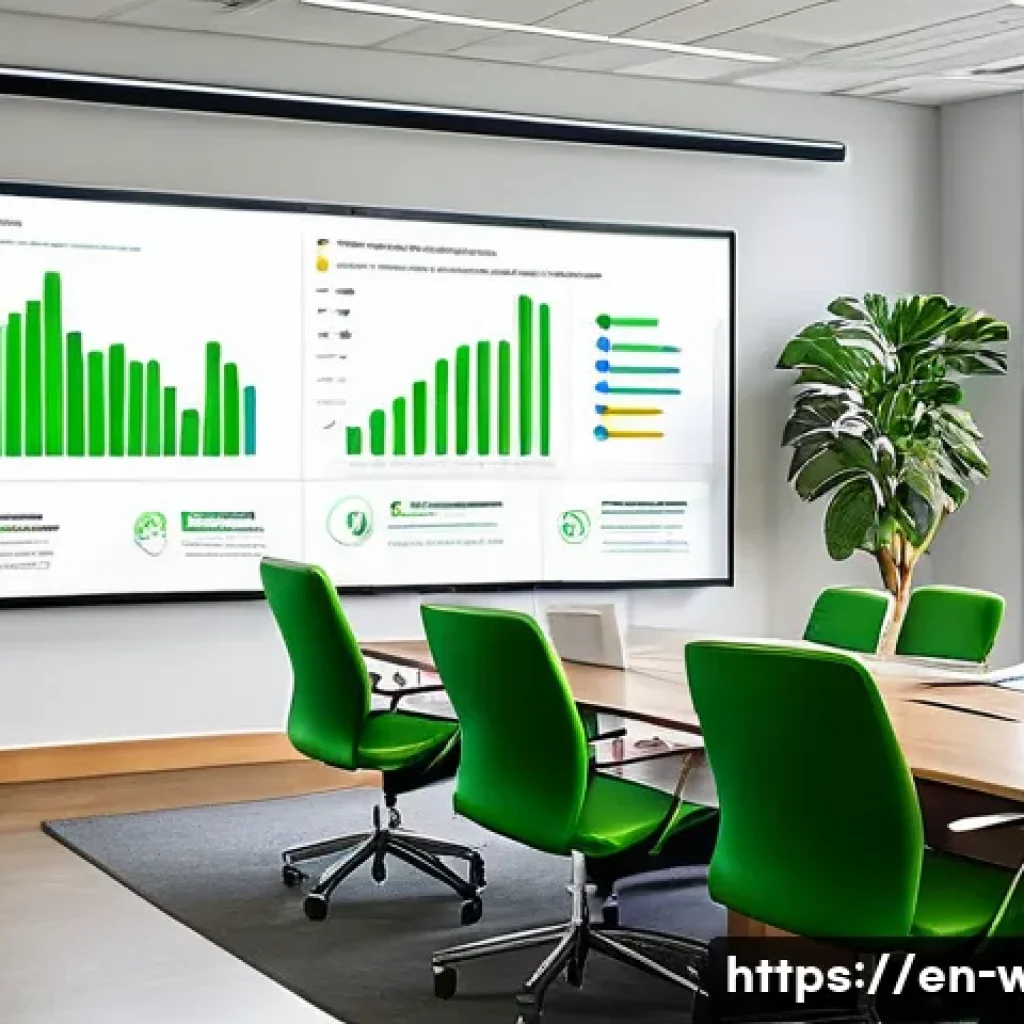
Well-being coordinators play a crucial role in enhancing the quality of life by tailoring personalized wellness plans that address both physical and mental health.
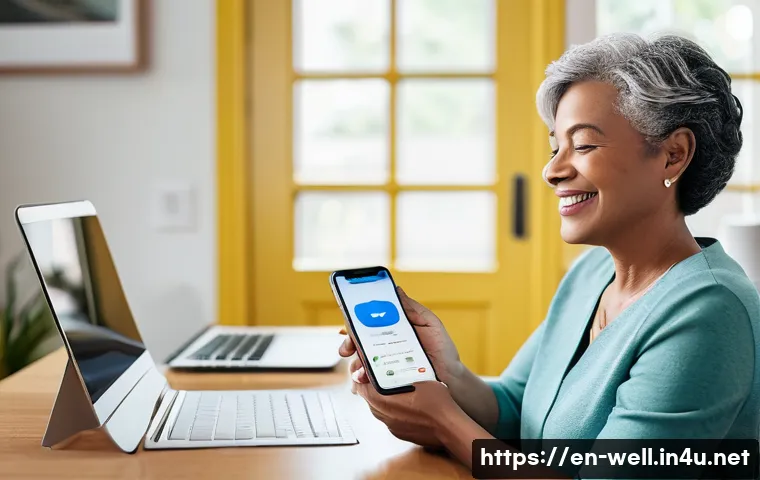
Understanding how satisfied clients are with these services is essential for continuous improvement and building trust. Customer satisfaction surveys offer valuable insights into client experiences, helping coordinators refine their approaches and deliver more effective support.
As the wellness industry evolves, adopting innovative and accurate feedback methods becomes increasingly important. Let’s dive deeper into the most effective ways to measure client satisfaction and boost the impact of well-being coordination!
Understanding Client Feedback Beyond Ratings
Digging Deeper into Qualitative Responses
When it comes to truly grasping how clients feel about their well-being coordination, numbers alone don’t tell the full story. Open-ended feedback allows clients to express nuances—whether it’s a particular moment of connection with their coordinator or a suggestion for improvement.
From my experience, these personal reflections often reveal underlying emotions and expectations that star ratings miss. Encouraging clients to share stories or specific examples can unveil patterns that help coordinators tailor their approach more effectively.
It’s like having a conversation rather than just ticking boxes.
Balancing Quantitative and Qualitative Data
Surveys that combine Likert scales with space for comments strike a good balance. The numbers offer a quick snapshot of satisfaction trends, while the written responses add context.
For instance, a client might rate their experience a 4 out of 5 but then explain that they wish there was more follow-up after sessions. This detail guides coordinators to not only celebrate strengths but also address gaps.
The trick is to design surveys that don’t feel tedious—short enough to respect time, yet comprehensive enough to gather meaningful insights.
Utilizing Real-Time Feedback Tools
Incorporating real-time feedback, like quick pulse surveys or check-ins via mobile apps, can capture client sentiment in the moment. I’ve noticed that when clients give feedback right after a session, their responses tend to be more accurate and emotionally vivid compared to delayed surveys.
This immediacy helps coordinators respond swiftly, adjusting plans or communication styles while the experience is fresh. Plus, clients appreciate knowing their input matters instantly, which builds stronger rapport and trust.
Personalizing Wellness Plans Through Insightful Data
Analyzing Patterns to Customize Support
When coordinators aggregate satisfaction data over time, they begin to see trends—such as common stress triggers or preferred wellness activities among clients.
Leveraging this information enables the creation of more personalized wellness plans that align with client preferences and needs. From my perspective, this data-driven personalization makes a huge difference in engagement and adherence.
Clients feel seen and understood rather than treated as generic cases, which naturally improves outcomes.
Incorporating Behavioral and Lifestyle Metrics
Beyond survey responses, integrating wearable technology or lifestyle tracking data adds another layer of personalization. For example, if a client’s sleep patterns or activity levels are monitored (with consent), coordinators can fine-tune wellness recommendations accordingly.
This holistic approach, combining subjective satisfaction with objective health indicators, leads to smarter, more responsive care. In practice, it’s like having a personalized dashboard to guide every step of the wellness journey.
Collaborative Goal Setting Based on Feedback
Effective well-being coordination thrives on partnership. Using client satisfaction insights to set or revise goals together empowers clients to take ownership of their progress.
When clients see their input directly shaping their wellness roadmap, motivation often spikes. I’ve observed that this collaborative dynamic fosters honesty and openness, making it easier to tackle challenges and celebrate successes along the way.
Enhancing Engagement Through Multi-Channel Communication
Utilizing Digital Platforms for Continuous Connection
Keeping clients engaged between sessions is crucial for sustained well-being improvements. Digital platforms like apps, email newsletters, or private social groups serve as excellent channels for sharing tips, reminders, and encouragement.
From my own experience managing client relationships, consistent communication outside of face-to-face meetings reinforces accountability and provides ongoing support.
It’s like having a wellness buddy in your pocket.
Encouraging Peer Support Networks
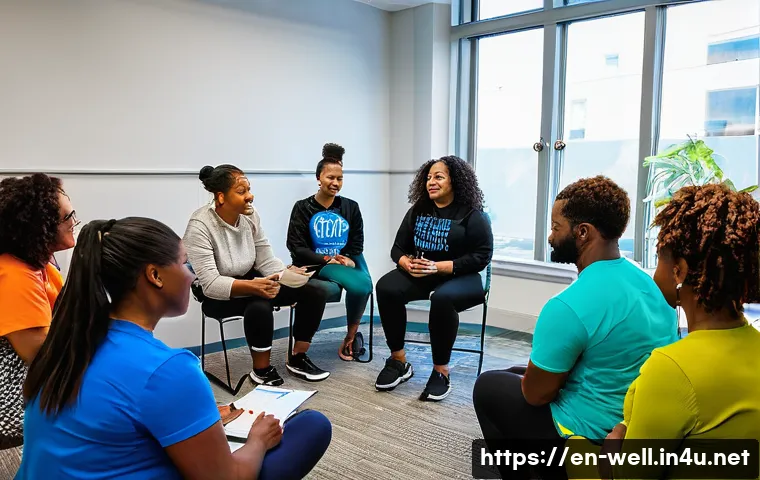
Well-being often thrives in community. Creating opportunities for clients to connect with peers facing similar challenges adds a social dimension to coordination.
Whether through virtual meetups or forums, peer support can boost morale and reduce feelings of isolation. I’ve seen clients gain newfound motivation simply by hearing others’ success stories or sharing struggles, which directly enhances satisfaction with the overall program.
Adapting Communication Styles to Client Preferences
No two clients communicate the same way. Some prefer detailed emails, others quick texts or phone calls. Tailoring communication methods based on client feedback increases responsiveness and comfort.
For example, a client might express in a survey that they appreciate brief, actionable messages over lengthy explanations. Adjusting accordingly not only respects their time but also improves clarity and connection.
Leveraging Technology for Accurate Satisfaction Measurement
Automated Survey Distribution and Analysis
Technology simplifies the tedious parts of gathering client feedback. Automated survey platforms can schedule and send questionnaires at optimal times, boosting response rates.
Additionally, built-in analytics help coordinators identify trends without manual crunching. From what I’ve seen firsthand, this frees up valuable time to focus on interpreting results and implementing changes rather than administrative tasks.
Incorporating AI to Detect Sentiment and Themes
Some advanced tools now use AI to analyze textual feedback, detecting sentiment and recurring themes quickly. This capability helps coordinators spot issues or praises they might otherwise overlook.
I find this particularly useful when handling large volumes of responses, as it highlights priority areas for improvement. However, it’s important to complement AI insights with human judgment to fully understand the context behind the data.
Ensuring Data Privacy and Client Trust
With increased use of technology comes the responsibility to safeguard client data. Transparent communication about how feedback is collected, stored, and used builds trust and encourages honest participation.
I always recommend coordinators clearly explain privacy policies and obtain consent before collecting sensitive information. Respecting confidentiality not only complies with regulations but also strengthens the client-coordinator relationship.
Designing Surveys That Clients Actually Want to Complete
Keeping Surveys Brief but Impactful
Long, tedious surveys often lead to low response rates or rushed answers. From my experience, clients appreciate surveys that take no more than 5 minutes to complete but still capture essential feedback.
Prioritizing key questions and using simple language keeps clients engaged. When surveys feel relevant and respectful of time, clients are more willing to share thoughtful responses.
Using Engaging Question Formats
Variety in question types—such as multiple choice, sliders, and open text fields—makes the survey experience less monotonous. Interactive elements like emoji scales or star ratings can also add a fun touch.
I’ve noticed that when clients enjoy the feedback process, they tend to provide richer, more honest insights, which benefits coordinators immensely.
Offering Incentives and Follow-Up
Incentives like small discounts, wellness tips, or entry into prize draws can motivate clients to complete surveys. Additionally, following up with a summary of how their feedback led to changes demonstrates that their voice matters.
This creates a positive feedback loop where clients feel valued and are more likely to participate in future surveys.
Integrating Feedback to Continuously Elevate Service Quality
Regularly Reviewing and Acting on Survey Data
Collecting data is only as good as the action it inspires. I’ve found that scheduling monthly or quarterly reviews of client satisfaction results helps teams stay focused on continuous improvement.
Discussing findings openly encourages a culture of transparency and accountability, where everyone is invested in enhancing client experiences.
Training Coordinators Based on Client Insights
Feedback often highlights specific areas where coordinators can grow—be it communication skills, empathy, or program knowledge. Tailored training sessions based on these insights ensure professional development aligns with client needs.
Personally, I’ve seen coordinators become more confident and effective after targeted coaching, which directly boosts client satisfaction.
Sharing Success Stories to Build Credibility
Highlighting positive client feedback and success stories in marketing materials or social media builds trust with prospective clients. It demonstrates real-world impact and humanizes the service.
I always encourage coordinators to celebrate wins publicly, as this transparency not only attracts new clients but also motivates current ones to stay engaged.
| Feedback Method | Advantages | Potential Challenges | Best Use Cases |
|---|---|---|---|
| Open-Ended Surveys | Rich qualitative data, client stories | Time-consuming to analyze | Understanding client emotions and suggestions |
| Likert Scale Surveys | Easy to quantify, track trends | May miss nuanced feedback | Measuring general satisfaction levels |
| Real-Time Pulse Checks | Immediate, accurate feedback | Requires client engagement during sessions | Quick adjustments post-session |
| Wearable Data Integration | Objective health insights | Privacy concerns, requires consent | Personalizing wellness plans |
| AI Sentiment Analysis | Efficient analysis of large text data | Needs human interpretation | Identifying key themes and emotions |
| Incentivized Surveys | Higher response rates | May attract biased responses | Encouraging participation |
글을 마치며
Understanding client feedback beyond simple ratings opens the door to more meaningful connections and tailored wellness plans. By blending qualitative insights with quantitative data, coordinators can better meet individual needs and foster lasting engagement. Embracing technology and personalized communication further enhances the client experience. Ultimately, continuous reflection and adaptation based on feedback elevate service quality and build stronger trust. This holistic approach transforms well-being coordination into a truly client-centered journey.
알아두면 쓸모 있는 정보
1. Encouraging clients to share detailed experiences rather than just scores uncovers deeper insights that improve coordination strategies.
2. Combining rating scales with open-ended questions provides both quick satisfaction snapshots and valuable context.
3. Real-time feedback tools capture emotions and thoughts while they’re fresh, allowing immediate adjustments and stronger rapport.
4. Integrating wearable and lifestyle data with client feedback creates a comprehensive view for personalized wellness recommendations.
5. Offering incentives and following up on survey results increases participation and reinforces clients’ sense of being heard and valued.
핵심 포인트 요약
To truly enhance client satisfaction, it’s essential to move beyond numbers and listen closely to personal feedback. Balancing quantitative and qualitative data offers a clearer picture of client needs. Utilizing technology smartly streamlines feedback collection and analysis while respecting privacy. Tailoring communication and wellness plans based on these insights fosters stronger client relationships and better outcomes. Finally, making feedback a continuous, actionable process ensures ongoing service improvement and client trust.
Frequently Asked Questions (FAQ) 📖
Q: What are the best methods to gather honest feedback from clients about well-being coordination services?
A: From my experience, combining anonymous online surveys with occasional one-on-one interviews works wonders. Clients tend to open up more when their responses are confidential, which leads to more genuine insights.
Also, using simple, clear questions focused on specific aspects—like communication, personalization, and follow-up—helps avoid survey fatigue. Including open-ended questions lets clients share experiences you might not have anticipated, making the feedback richer and more actionable.
Q: How can well-being coordinators use client satisfaction data to improve their services effectively?
A: When I’ve worked with coordinators, the key was turning raw data into specific action plans. For example, if multiple clients mention that mental health resources felt limited, coordinators could partner with mental health professionals or introduce new programs.
Regularly reviewing feedback trends rather than isolated comments helps spot bigger patterns. Sharing improvements with clients also builds trust, showing that their voices truly impact the service.
Q: What innovative tools or technologies can enhance the accuracy of client satisfaction measurement in wellness programs?
A: I’ve found that integrating mobile apps with real-time feedback features and AI-driven sentiment analysis can elevate the feedback process. Apps let clients share their thoughts immediately after sessions, capturing fresh impressions.
Meanwhile, AI tools can detect subtle emotional cues in text responses that might be missed otherwise. Additionally, gamifying feedback through rewards encourages more participation, which boosts the reliability of the data collected.