Balancing wellness and productivity is no small feat, especially when coordinating a variety of health-focused activities throughout the week. A well-structured weekly plan not only keeps things running smoothly but also ensures that every wellness goal is met with intention and care.

From scheduling mindful breaks to organizing group fitness sessions, the role demands both strategic thinking and a genuine passion for wellbeing. Having a clear roadmap can transform chaos into calm, making it easier to support others on their wellness journeys.
Curious about how to craft the perfect weekly agenda for a wellbeing coordinator? Let’s dive in and explore the details together!
Designing a Balanced Weekly Wellness Schedule
Prioritizing Key Wellness Activities
Creating a balanced weekly schedule starts with identifying the most impactful wellness activities that align with your team’s goals. From my own experience coordinating wellness programs, I’ve found that mixing physical movement, mental health breaks, and nutrition education sessions keeps participants engaged without overwhelming them.
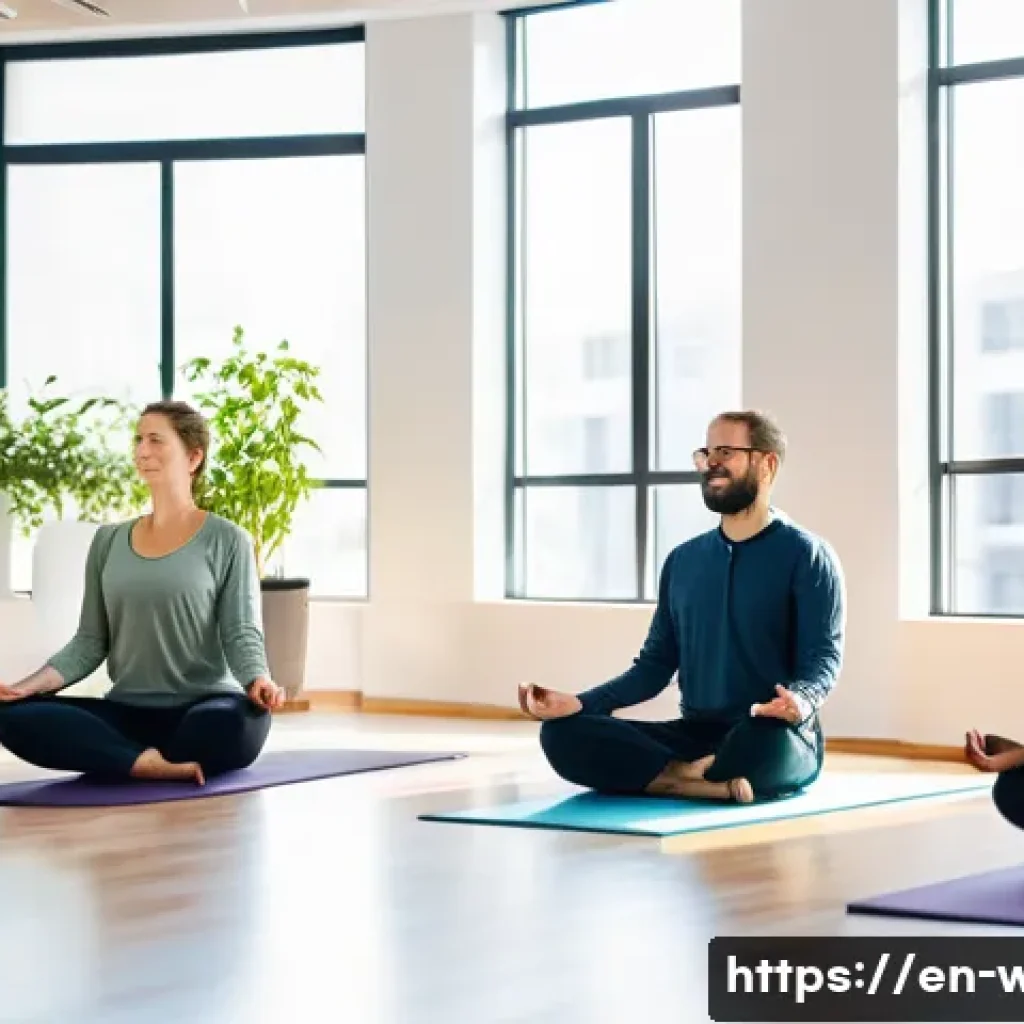
For example, slotting in a midweek group yoga class provides a refreshing break, while morning mindfulness exercises can set a positive tone for the day.
The key is to prioritize activities that cover multiple aspects of wellbeing, ensuring no single area is neglected.
Allocating Time for Flexibility and Spontaneity
While structure is essential, I’ve learned that rigid schedules can backfire. Allowing pockets of flexibility for spontaneous wellness moments — like an impromptu walking meeting or a quick breathing exercise during a hectic day — helps maintain momentum without adding stress.
It’s about creating a rhythm that feels natural rather than forced. I usually reserve 15-30 minutes daily where team members can choose their preferred wellness activity, which significantly boosts overall participation.
Using Technology to Streamline Planning
Leveraging digital tools is a game-changer for managing complex weekly plans. Calendars with shared access, reminder apps, and wellness tracking platforms help keep everyone on the same page.
Personally, integrating tools like Google Calendar combined with wellness apps allows me to send timely nudges and collect feedback effortlessly. This tech integration cuts down on administrative overhead and frees up more time to focus on meaningful engagement and support.
Effective Communication Strategies for Wellness Coordination
Crafting Clear, Engaging Messages
Getting buy-in for wellness initiatives hinges on how well the message resonates. I’ve noticed that straightforward, relatable language works best — avoiding jargon and focusing on tangible benefits.
For instance, instead of saying “participate in stress management programs,” I frame it as “take a few minutes to reset and recharge.” This approach helps demystify wellness activities and makes them more approachable.
Building a Supportive Community Atmosphere
One of the most rewarding parts of my role is fostering a sense of community. Regular check-ins, celebrating small wins, and encouraging peer support transform wellness from a checklist into a shared journey.
In practice, I organize casual virtual coffee chats and group challenges that invite friendly competition, which boosts morale and accountability simultaneously.
Tailoring Communication Channels
Not everyone responds to the same communication method, so mixing channels is crucial. I use email for detailed updates, instant messaging for quick reminders, and occasional video calls for deeper engagement.
Observing which channels have higher response rates helps me fine-tune outreach and maximize participation without overwhelming the team.
Optimizing Group Fitness and Mindfulness Sessions
Choosing Activities That Appeal to Diverse Interests
Wellness coordinators must juggle varying preferences and fitness levels. I’ve found success by offering a mix of high-energy classes like HIIT alongside gentler options such as tai chi or guided meditation.
This variety ensures inclusivity and encourages more consistent attendance. Surveying participants regularly also helps me adjust offerings based on evolving interests.
Scheduling for Maximum Attendance
Timing is everything when it comes to group sessions. Through trial and error, I discovered that early morning and late afternoon slots work best for most people’s schedules.
Additionally, providing recordings or alternative options for those who can’t join live keeps the momentum going. Flexibility in timing shows respect for individual routines and increases overall engagement.
Creating a Welcoming Environment
The vibe during sessions matters just as much as the content. I always make a point to welcome newcomers warmly and encourage a no-judgment culture. Sharing personal stories and celebrating progress helps participants feel valued and motivated.
This positive environment turns wellness sessions into something people genuinely look forward to.
Tracking Progress and Measuring Impact
Setting Clear, Achievable Goals
Measuring success starts with defining what you want to achieve. Whether it’s improving stress levels, increasing physical activity, or fostering social connections, having concrete goals provides direction.
When I first took on wellness coordination, setting small milestones helped both me and the participants see tangible progress, which kept morale high.
Using Data to Inform Adjustments
Collecting feedback and participation data is crucial for refining the program. I rely on quick surveys, attendance logs, and wellness app reports to understand what’s working and what isn’t.
For example, if attendance drops for a particular session, I dig into possible causes and experiment with format or timing changes. This iterative approach ensures continuous improvement.
Celebrating Successes Publicly
Acknowledging achievements motivates ongoing commitment. I make a habit of sharing success stories during team meetings or newsletters, highlighting individuals who hit their goals or made notable progress.
This recognition fosters a positive feedback loop and encourages others to stay engaged.
Balancing Administrative Duties with Personal Wellbeing
Time Management Techniques That Work
Managing a wellness program means juggling many tasks. I use the Pomodoro technique to maintain focus during administrative work, ensuring I don’t burn out.
Breaking tasks into manageable chunks and scheduling breaks for myself helps maintain my own wellbeing, which is essential for sustaining energy in this role.
Delegating When Possible
Trying to do everything alone can be overwhelming. I’ve learned to delegate responsibilities to wellness champions within the team. This not only lightens my load but also empowers others to take ownership, creating a more resilient and engaged wellness culture.
Setting Boundaries to Prevent Burnout
It’s easy to get caught up in the constant push to support others. I make it a point to set clear working hours and communicate availability upfront. Protecting personal time allows me to recharge and return to work with renewed passion and focus.
Incorporating Nutrition and Rest into Weekly Plans
Scheduling Educational Sessions on Healthy Eating
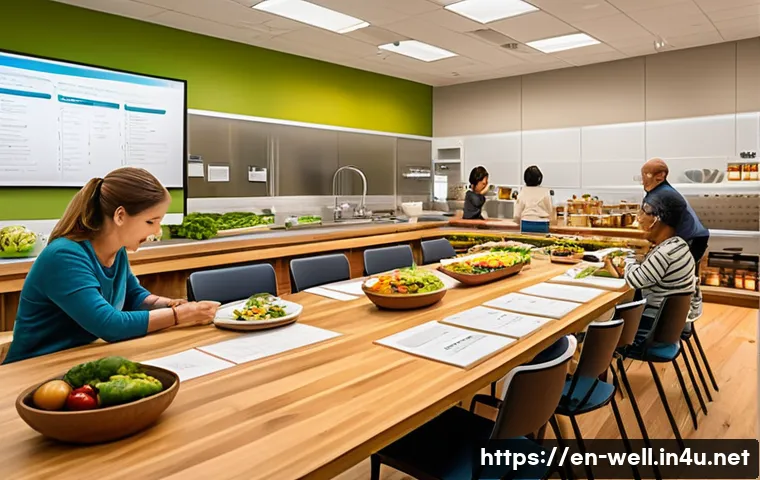
Nutrition often gets sidelined, but I’ve found that dedicated workshops or cooking demos can make a big difference. Offering these sessions during lunch hours or as part of wellness weeks sparks curiosity and encourages healthier choices without feeling preachy.
Promoting Adequate Rest and Recovery
Encouraging rest is just as important as promoting activity. I include reminders for power naps, relaxation techniques, and proper sleep hygiene in weekly communications.
Sharing personal tips, like how a brief afternoon break helped me refocus, makes these suggestions more relatable.
Creating Easy Access to Healthy Options
When possible, arranging for healthy snacks or hydration stations at the workplace supports good habits. I’ve coordinated with local vendors to provide fresh fruit deliveries or infused water stations, which subtly nudges people toward better nutrition throughout the day.
Utilizing Feedback to Evolve Wellness Programs
Gathering Diverse Perspectives
I regularly collect feedback through anonymous surveys, focus groups, and informal conversations. This approach captures a broad range of experiences and helps me uncover barriers that may not be obvious.
For example, some team members shared that virtual sessions felt less engaging, prompting me to introduce hybrid options.
Adapting Programs Based on Insights
Using feedback, I tweak activities, timing, and communication styles to better suit the group’s needs. Flexibility has been vital; I’ve shifted from weekly to biweekly sessions during busier periods and introduced new formats like wellness challenges to keep things fresh.
Closing the Feedback Loop
Sharing how feedback leads to changes builds trust and encourages future participation. I send follow-up messages highlighting adjustments made based on input, which shows that voices are heard and valued, strengthening the overall wellness culture.
| Wellness Activity | Optimal Time | Participant Benefit | Recommended Frequency |
|---|---|---|---|
| Morning Mindfulness | 8:00 AM – 8:30 AM | Improves focus and reduces stress | Daily |
| Group Fitness Classes | 4:30 PM – 5:30 PM | Enhances physical health and team bonding | 3 times per week |
| Nutrition Workshops | 12:00 PM – 1:00 PM | Educates on healthy eating habits | Biweekly |
| Rest & Recovery Breaks | 2:00 PM – 2:15 PM | Boosts energy and prevents burnout | Daily |
| Wellness Check-Ins | Friday, 3:00 PM – 4:00 PM | Tracks progress and gathers feedback | Weekly |
Closing Thoughts
Designing a balanced weekly wellness schedule requires thoughtful planning and flexibility to truly support wellbeing. By integrating diverse activities, clear communication, and regular feedback, you create a sustainable program that resonates with participants. Remember, wellness is a journey, not a one-time event, so staying adaptable and connected makes all the difference.
Useful Tips to Keep in Mind
1. Consistency matters more than intensity—small daily wellness habits add up over time.
2. Encourage variety in activities to keep engagement high and cater to different preferences.
3. Use technology to simplify scheduling and gather meaningful feedback effortlessly.
4. Foster a supportive community where sharing progress and challenges is welcomed.
5. Don’t forget to balance your administrative tasks with your own self-care to lead effectively.
Key Takeaways
Successful wellness coordination hinges on setting clear goals, maintaining flexibility, and communicating effectively. Prioritize activities that address physical, mental, and nutritional wellbeing while adapting to participant feedback. Creating an inclusive and encouraging environment promotes sustained engagement. Lastly, managing your time wisely and delegating tasks helps prevent burnout, ensuring you can support your team with energy and enthusiasm.
Frequently Asked Questions (FAQ) 📖
Q: How can I effectively balance wellness activities and productivity throughout the week?
A: Striking the right balance starts with prioritizing activities based on their impact and urgency. I found it helpful to block out specific times for wellness—like mindful breaks or fitness sessions—just as you would for meetings.
This way, these activities don’t get pushed aside. Also, mixing shorter, refreshing breaks with longer, more focused wellness sessions keeps energy levels steady without overwhelming your schedule.
Remember, it’s about quality, not quantity, so being intentional with your time makes a huge difference.
Q: What strategies can a wellbeing coordinator use to keep participants engaged in wellness programs?
A: Engagement thrives on variety and personalization. From my experience, incorporating different types of activities—yoga, meditation, group walks, or nutrition talks—caters to diverse preferences and keeps things fresh.
Also, creating a sense of community through group challenges or shared goals motivates people to stick with the program. Regular check-ins and feedback sessions help tailor the plan to participants’ evolving needs, making them feel valued and heard, which naturally boosts commitment.
Q: How do I create a weekly wellness plan that supports both individual needs and group goals?
A: The key is blending flexibility with structure. Start by mapping out the group’s core objectives and then identify individual preferences and limitations.
I recommend scheduling core group activities that align with shared goals, while leaving room for optional or personalized sessions. Using tools like shared calendars or wellness apps helps everyone stay informed and accountable.
It’s crucial to encourage open communication so adjustments can be made based on what’s working or not, ensuring the plan stays relevant and effective for everyone involved.